How Much Alcohol Causes Liver Cirrhosis and Transplant?
There is no single safe alcohol threshold that applies to everyone. Chronic heavy drinking can cause fatty liver, alcoholic hepatitis and cirrhosis. Once cirrhosis develops, damage is largely irreversible. Liver transplant may be considered for end-stage disease when other criteria are met.
By BiomedStudiosReviewed by Buddhi Sandaras Kariyapperuma, clinical pharmacist2 min read
 Watch the animation · 2:03
Educational information. Symptoms, treatment and recovery need advice from a qualified clinician.
How alcohol damages the liver
The Biomedstudios video explains the progression from fatty change through inflammation to scarring. The liver processes alcohol, but sustained heavy use overwhelms its capacity. Genetic factors, nutrition, concurrent liver disease and gender influence individual susceptibility.
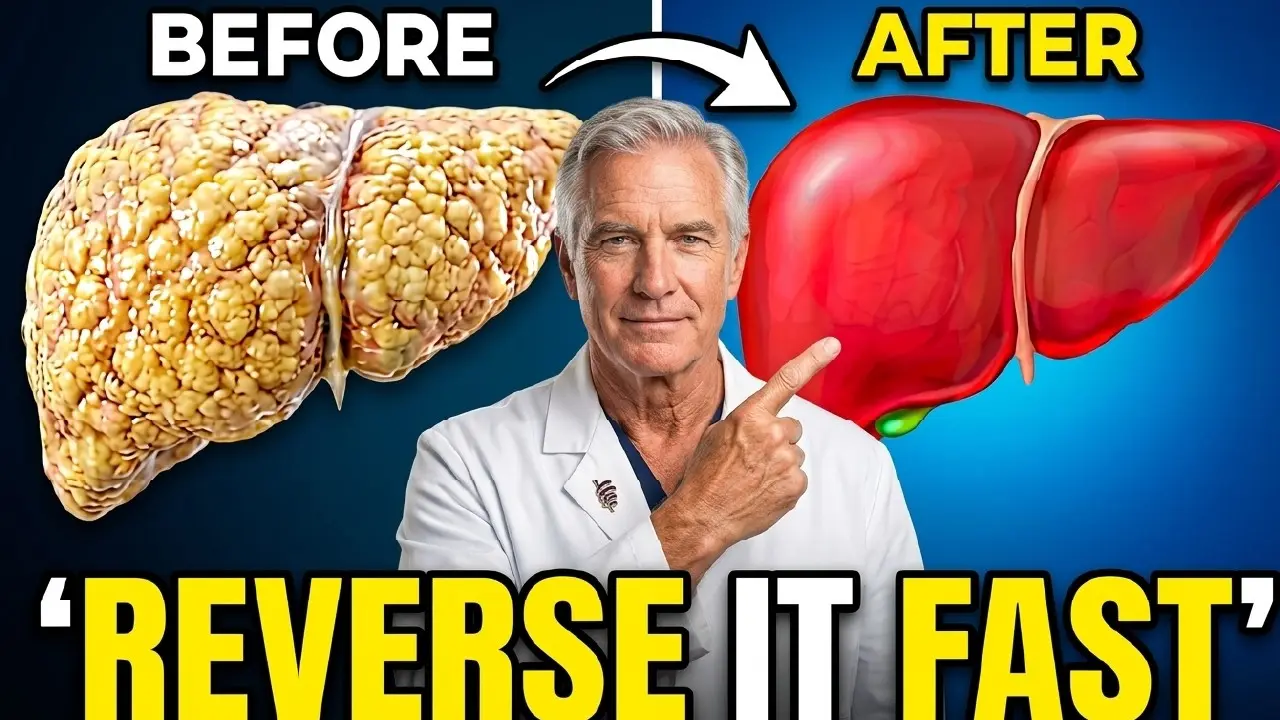
The NIDDK describes alcoholic liver disease and its stages. Fatty liver from alcohol can resolve with abstinence. Alcoholic hepatitis is more serious, and cirrhosis represents permanent structural change.
Why thresholds are misleading
Quoting a universal number of drinks oversimplifies the biology. The NHS explains the health risks of drinking too much and current UK guidelines. Different countries use different standard drink definitions. Individual risk depends on many factors beyond volume alone.
When transplant becomes necessary
End-stage cirrhosis with liver failure may require transplant evaluation. Eligibility criteria typically include a sustained period of abstinence, assessment of other health conditions and a demonstrated commitment to ongoing sobriety. Transplant is not a guaranteed option for everyone with alcohol-related liver disease.
Common questions
Can cirrhosis be reversed?
Established cirrhosis involves permanent scarring. However, stopping alcohol can prevent further damage and improve liver function within the remaining healthy tissue.
Does moderate drinking cause cirrhosis?
Risk increases with amount and duration. Some people develop disease at lower levels than expected, particularly with co-existing conditions.