Can Arterial Plaque Be Reversed? Peptides and the Evidence
Some arterial plaque can regress with intensive risk-factor management and cholesterol-lowering treatment, while reducing its tendency to rupture is also important. Experimental peptides should not be assumed to dissolve plaque or prevent heart attacks. Benefits must be demonstrated for the particular medicine, patient group and outcome.
By BiomedStudiosReviewed by Buddhi Sandaras Kariyapperuma, clinical pharmacist3 min read
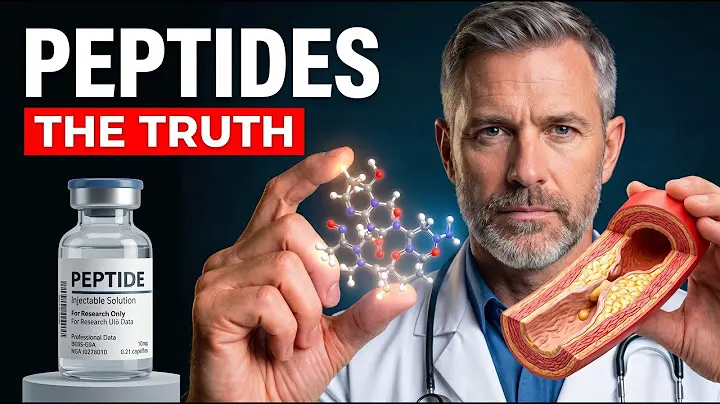 Watch the animation · 19:08
Educational information. Symptoms, treatment and recovery need advice from a qualified clinician.
Searches for reverse arterial plaque often lead to products promising to clean blood vessels. The BiomedStudios video asks a better question: what has been demonstrated in people? Understanding the difference between shrinking plaque, changing a biomarker and preventing a heart attack makes those claims easier to assess.
Regression and stabilization are different goals
Plaque regression means a reduction in measured plaque burden. Stabilization means making plaque less likely to rupture and trigger a clot. A treatment may provide important protection without making an artery look completely normal. Conversely, a promising laboratory change does not establish that people receiving a treatment have fewer strokes or heart attacks.
NHLBI describes evidence that atherosclerosis can improve in some people through control of major risk factors and substantial LDL-cholesterol reduction. Advanced disease may not be fully reversible. This is a long-term medical strategy rather than a one-time flush of the circulation.
What does peptide tell you about a treatment?
A peptide is a chain of amino acids. The word describes a type of molecule, not a guarantee of safety or effectiveness. Some medicines based on peptides have strong clinical evidence for particular uses. Other products remain experimental. Results for one molecule cannot be transferred to every product marketed under the same broad label.
The video discusses GLP-1 medicines and experimental compounds such as BPC-157. When reading a claim, identify the exact product, dose, route of administration and patient population. A cardiovascular benefit demonstrated in a defined trial does not prove that the medicine mechanically dissolves plaque, nor that it is suitable for everyone with atherosclerosis.
How should experimental claims be checked?
Ask whether evidence comes from animals, a small uncontrolled report or a well-designed human trial. Look at the outcome: did investigators measure symptoms, a blood marker, imaging or major cardiovascular events? These are different questions. Also examine adverse effects and how the product was manufactured.
The FDA's information on compounding substances with potential safety risks describes concerns relevant to several peptide products, including limitations in safety information. Regulatory discussions or advisory recommendations should not be read as proof that a substance treats arterial plaque.
What belongs in an evidence-based prevention plan?
Smoking cessation, blood-pressure management, diabetes care and a sustainable activity and nutrition plan are established parts of cardiovascular prevention. A clinician may recommend cholesterol-lowering medicines according to your risk and treatment response. CDC outlines the major risk factors for heart disease. These choices should be individualized rather than replaced by an online peptide protocol.
Do not start aspirin, stop a statin or inject a research product because a video or article discusses plaque biology. The right next step is a conversation about the treatment goal: lowering LDL, reducing future events, managing symptoms or deciding whether a procedure is needed.
Questions worth asking
- What clinical benefit has this exact treatment demonstrated?
- Does that evidence apply to someone with my medical history?
- What established options should be optimized first?
- How will benefit and side effects be monitored?
Watch the companion animation to see why plaque behavior matters, then bring those questions to your healthcare team. Subscribe to BiomedStudios on YouTube for explanations that help you interpret medical claims.


