Early Heart Failure Symptoms: Swelling, Breathing and Fatigue
Possible heart failure symptoms include breathlessness, fatigue, leg or ankle swelling, difficulty breathing when lying flat and rapid weight gain from retained fluid. These symptoms have several causes. A 2-2-2 mnemonic cannot diagnose heart failure; new or worsening symptoms should be assessed by a clinician.
By BiomedStudiosReviewed by Buddhi Sandaras Kariyapperuma, clinical pharmacist3 min read
 Watch the animation · 18:27
Educational information. Symptoms, treatment and recovery need advice from a qualified clinician.
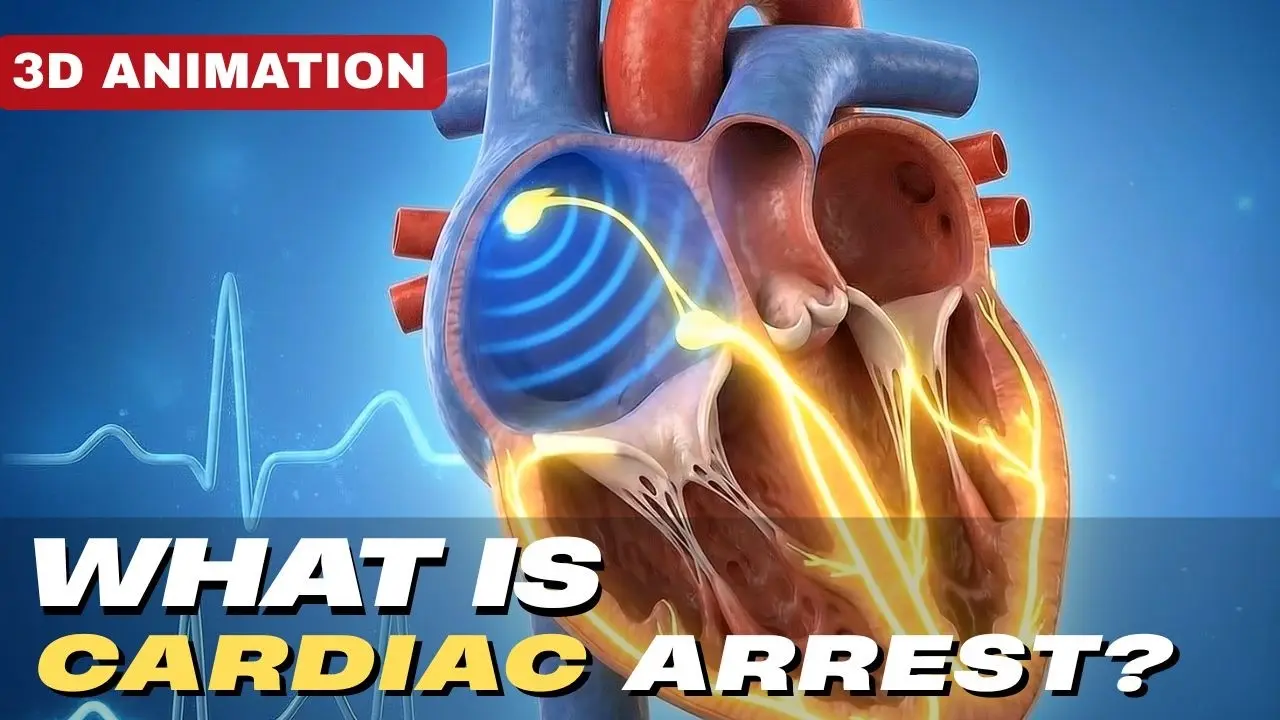
Heart failure does not mean that the heart has stopped. It means that the heart cannot meet the body's needs adequately, which can involve problems with pumping or filling. The BiomedStudios video highlights changes that may appear during everyday activities, sleep and meals. Those changes can be worth discussing before they become severe.
Why can symptoms appear away from the chest?
Changes in circulation and fluid balance can affect the lungs, legs and abdomen. That helps explain why a person might notice tighter shoes or difficulty lying flat rather than chest pain. Heart failure has different forms, and symptoms alone cannot identify which form is present.
The American Heart Association's symptom-tracking guidance includes breathlessness, fatigue, swelling, daily weight and other changes. A pattern over time can be more informative than a single isolated symptom.
Which changes should you mention?
- Breathing that becomes harder during your usual activity.
- Needing more pillows because lying flat feels uncomfortable.
- Waking suddenly with breathlessness.
- New or increasing swelling in the feet, ankles or legs.
- A rapid increase in weight over a short period.
- Persistent fatigue, reduced appetite or a decline in usual function.
These findings are not specific to heart failure. Leg swelling can relate to venous disease, medications or other conditions; fatigue can have many explanations. Tell the clinician about onset, changes, medicines and accompanying symptoms rather than assuming that one feature proves a diagnosis.
What about the 2-2-2 rule?
The video uses a memorable home-check idea. Treat it as a prompt to notice changes, not a validated diagnostic rule. The number of pillows you use does not diagnose a heart condition. Likewise, a fixed weight threshold is not appropriate for every person or every situation.
If you already have heart failure, ask your team exactly which weight changes and symptoms to report, and how quickly. AHA guidance on physical changes emphasizes an individualized reporting plan. Do not change a diuretic dose or fluid restriction on your own to match advice from an online checklist.
How can you track symptoms usefully?
Keep a brief record of weight if your clinician recommends it, swelling, sleep-related breathing and how far you can walk comfortably. Consistent measurements are easier to interpret. Note whether an ordinary activity, such as climbing your home stairs, now requires a pause that it did not previously require.
Bring the record and medicine list to your appointment. Useful questions include whether an examination, blood tests or heart imaging are needed, and whether another cause should be investigated. The aim is to help the clinician recognize change rather than to self-score your heart. A relative or caregiver may notice a change you have gradually adapted to; their observations can also be useful.
When is it an emergency?
Severe or sudden breathlessness, chest pressure, fainting or confusion with serious illness requires urgent help. Call your local emergency number rather than waiting for every symptom on a list. A person with known heart failure should also follow their written action plan for worsening symptoms.
Use the video's animation to understand fluid and circulation changes, and use professional assessment to establish the cause. Watch on the BiomedStudios YouTube channel and subscribe for more visual explanations of heart conditions.