Heart Attack Stent Placement: How Emergency PCI Works
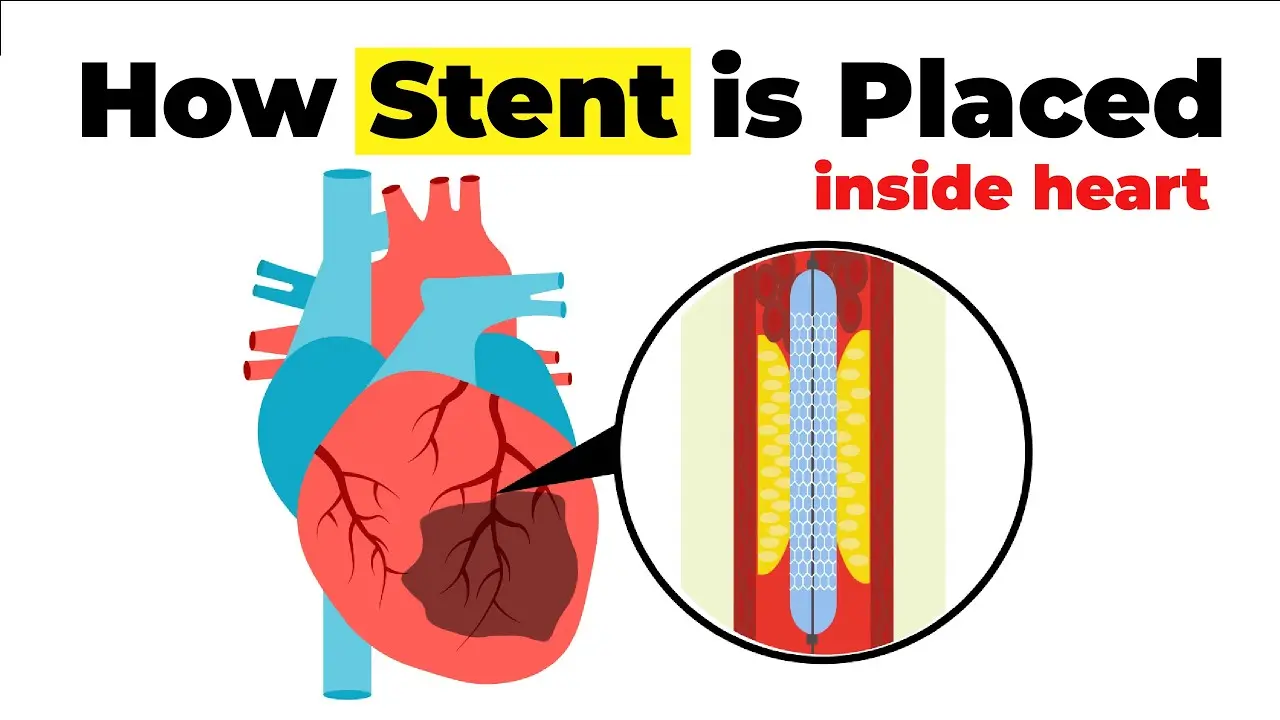
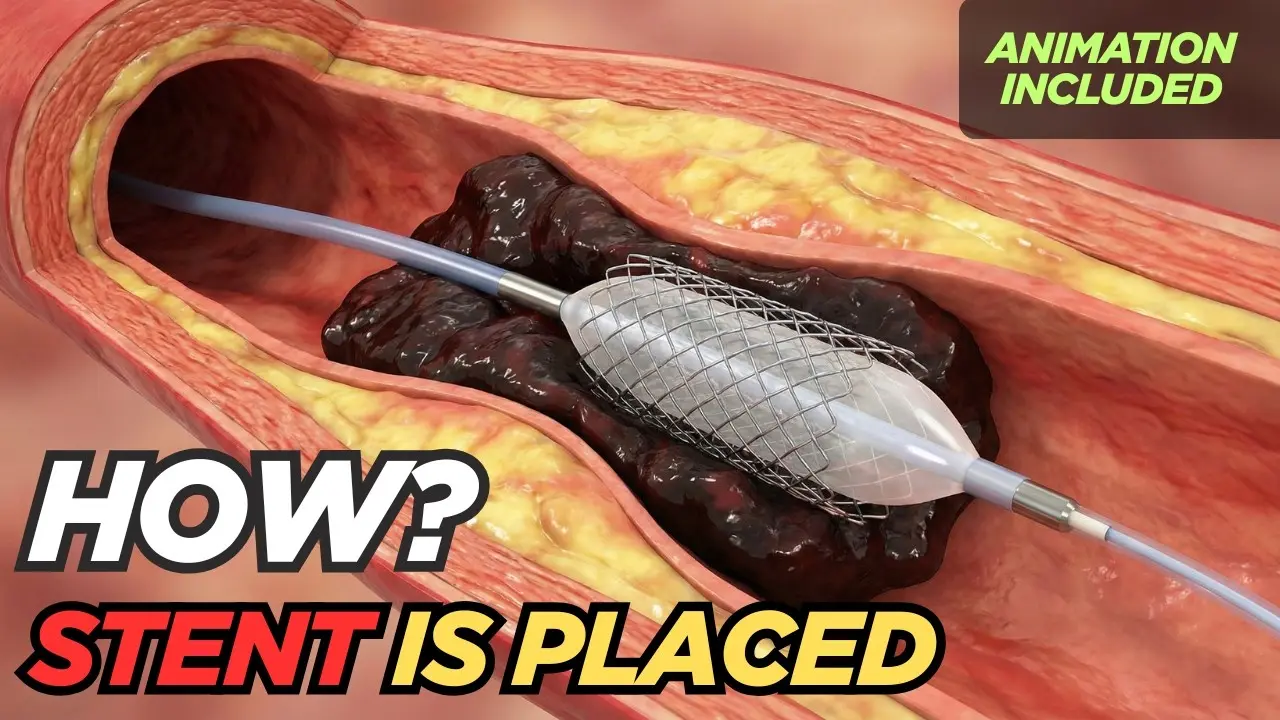
Emergency percutaneous coronary intervention during a heart attack involves threading a catheter to the blocked artery, inflating a balloon to reopen it, and placing a stent to keep it open. The procedure typically takes 60 to 90 minutes and aims to restore blood flow as quickly as possible.
By BiomedStudiosReviewed by Buddhi Sandaras Kariyapperuma, clinical pharmacist1 min read
 Watch the animation · 1:40
Educational information. Symptoms, treatment and recovery need advice from a qualified clinician.
Why emergency stenting saves heart muscle
The Biomedstudios video explains the emergency PCI procedure. During a heart attack, a blood clot blocks a coronary artery. Primary PCI reopens the artery before irreversible muscle damage occurs. The AHA describes heart attack treatments including primary PCI.
The procedure
Access is through the radial or femoral artery. Contrast dye reveals the blockage on X-ray. A guidewire crosses the blockage, followed by a balloon catheter with a stent. Inflation opens the artery and deploys the stent. The NHLBI explains coronary stents.
After the procedure
Dual antiplatelet therapy is essential. Cardiac rehabilitation, medication optimization and risk-factor management begin promptly. Regular cardiology follow-up monitors recovery and stent function.
Common questions
Is the procedure available everywhere?
Not all hospitals have cardiac catheterization laboratories. Transfer protocols exist for patients presenting to facilities without PCI capability.
Can the artery block again?
Restenosis and stent thrombosis are possible but uncommon with modern drug-eluting stents and proper medication adherence.