The Truth About IUDs: How Long-Term Birth Control Works
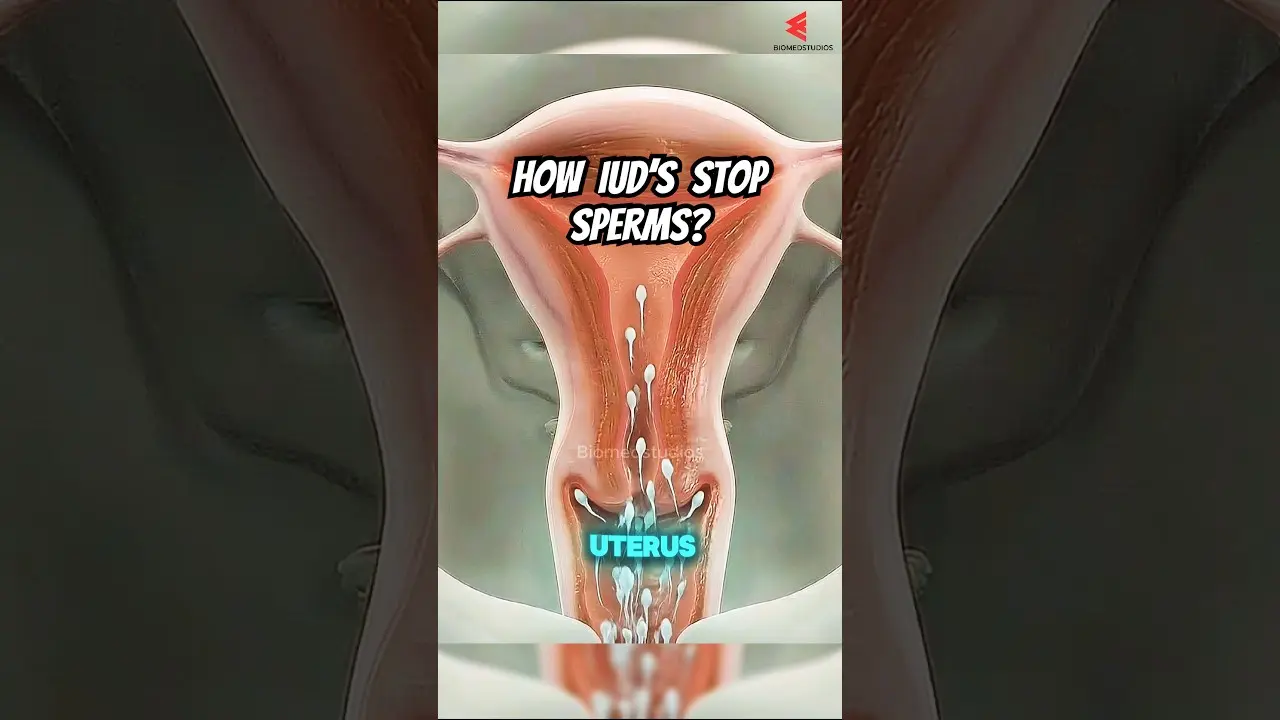
IUDs are small devices placed in the uterus that provide long-acting reversible contraception. Hormonal IUDs release progestogen to thin the uterine lining and thicken cervical mucus. Copper IUDs create an environment toxic to sperm. Both types are over 99 percent effective.
By BiomedStudiosReviewed by Buddhi Sandaras Kariyapperuma, clinical pharmacist1 min read
 Watch the animation · 2:01
Educational information. Symptoms, treatment and recovery need advice from a qualified clinician.
Two types, one goal
The Biomedstudios video explains how IUDs prevent pregnancy. Hormonal IUDs release a small amount of progestogen locally. Copper IUDs use copper ions to impair sperm function. Neither type requires daily action after insertion. The ACOG explains IUD types and effectiveness.
Insertion, duration and removal
IUDs are inserted by a trained provider, usually in a clinic. Duration ranges from three to ten years depending on the type. Fertility typically returns quickly after removal. The NHS describes the IUD procedure and what to expect.
Common side effects include cramping during insertion, changes in bleeding pattern with hormonal IUDs, and heavier periods with copper IUDs. Serious complications such as perforation or expulsion are uncommon.
Common questions
Can teenagers use IUDs?
Yes. Medical guidelines support IUD use for adolescents as a safe and effective option.
Does an IUD protect against STIs?
No. Barrier methods such as condoms are needed for STI protection.