Pancreatic Cancer Symptoms: Seven Changes That Need Context
Pancreatic cancer may cause no symptoms early on. Possible changes include upper abdominal or back pain, jaundice, unexplained weight loss, reduced appetite, pale or oily stools, new diabetes, and blood clots. These findings have other causes; new or persistent symptoms need clinical assessment rather than a checklist diagnosis.
By BiomedStudiosReviewed by Buddhi Sandaras Kariyapperuma, clinical pharmacist3 min read
 Watch the animation · 15:33
Educational information. Symptoms, treatment and recovery need advice from a qualified clinician.
The pancreas sits behind the stomach and has two major jobs: producing digestive enzymes and making hormones that regulate blood glucose. A tumor may affect either job, or nearby structures such as the bile duct. That helps explain why its symptoms can appear in several different parts of everyday life.
Seven possible warning patterns
- Upper abdominal or back pain: persistent discomfort can have many digestive or musculoskeletal explanations.
- Jaundice: yellow eyes or skin, often with dark urine, pale stools, or itching, can reflect blocked bile flow.
- Unexplained weight loss: reduced intake and difficulty digesting food can contribute, but other illnesses also cause it.
- Loss of appetite or persistent digestive symptoms: new nausea or bloating deserves context rather than an immediate cancer conclusion.
- A change in stool: pale or oily stool can occur when bile or digestive enzyme delivery is disrupted.
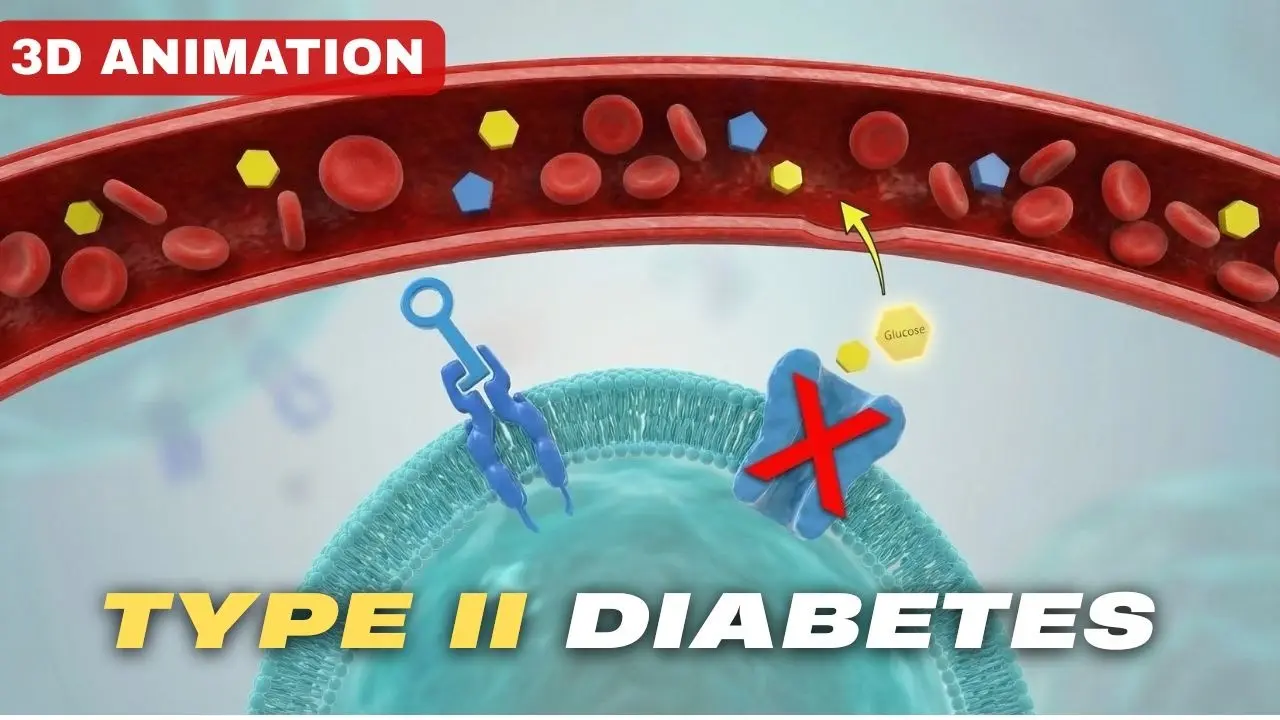
- New diabetes: in some people a pancreatic disorder affects glucose control; most new diabetes is not pancreatic cancer.
- A blood clot: an unexplained clot sometimes prompts a search for underlying illness, especially alongside other changes.
The National Cancer Institute describes pancreatic cancer symptoms, including new-onset diabetes and clotting problems. No item on this list is specific enough to identify cancer on its own.
Can pancreatic cancer be painless?
Yes. Lack of pain is not proof that the pancreas is healthy. Equally, common back pain is not proof of a pancreatic tumor. Evaluation relies on the overall pattern, examination, risk factors, and suitable tests. A symptom being described as silent online does not tell you how likely its cause is in your own situation.
When should you get checked?
New jaundice needs prompt medical assessment. The NHS advises urgent help for yellowing of the eyes or skin. Persistent symptoms, unexplained weight loss, or a change that does not fit your normal pattern should also be discussed with a clinician.
Sudden breathlessness, chest pain, or a swollen painful leg can indicate a blood clot and requires urgent care regardless of its cause. Do not wait for a routine cancer appointment if an emergency symptom develops.
What tests might be used?
A clinician may begin with examination and blood tests, then arrange imaging depending on the findings. CT, ultrasound, MRI, or endoscopic ultrasound can investigate the pancreas and nearby ducts. Tissue sampling may be needed to establish a diagnosis and plan treatment.
The NHS guide to pancreatic cancer tests explains that the test sequence varies; not everyone needs every procedure. Blood tests alone are not a universal rule-out test, and an isolated abnormal result does not establish cancer.
Make the symptom history useful
Note when pain or stool changes began and whether eating or position affects them. Record weight change, any jaundice, recent glucose results, medication changes, and family history. Explain what is different from your baseline. If a proposed treatment for a common cause does not help, ask when the assessment should be reviewed.
Common questions
Should every person with new diabetes have a pancreatic scan?
No. A clinician weighs the diabetes pattern, accompanying symptoms, and risk factors before deciding on additional tests.
Does pale stool always mean pancreatic cancer?
No. Liver and bile-duct conditions can also change stool color.
Can symptoms identify the cancer stage?
No. Staging requires clinical investigation; pain severity and symptom duration cannot reliably determine it.