Sciatica Pain: Causes, Symptoms, Diagnosis and Treatment
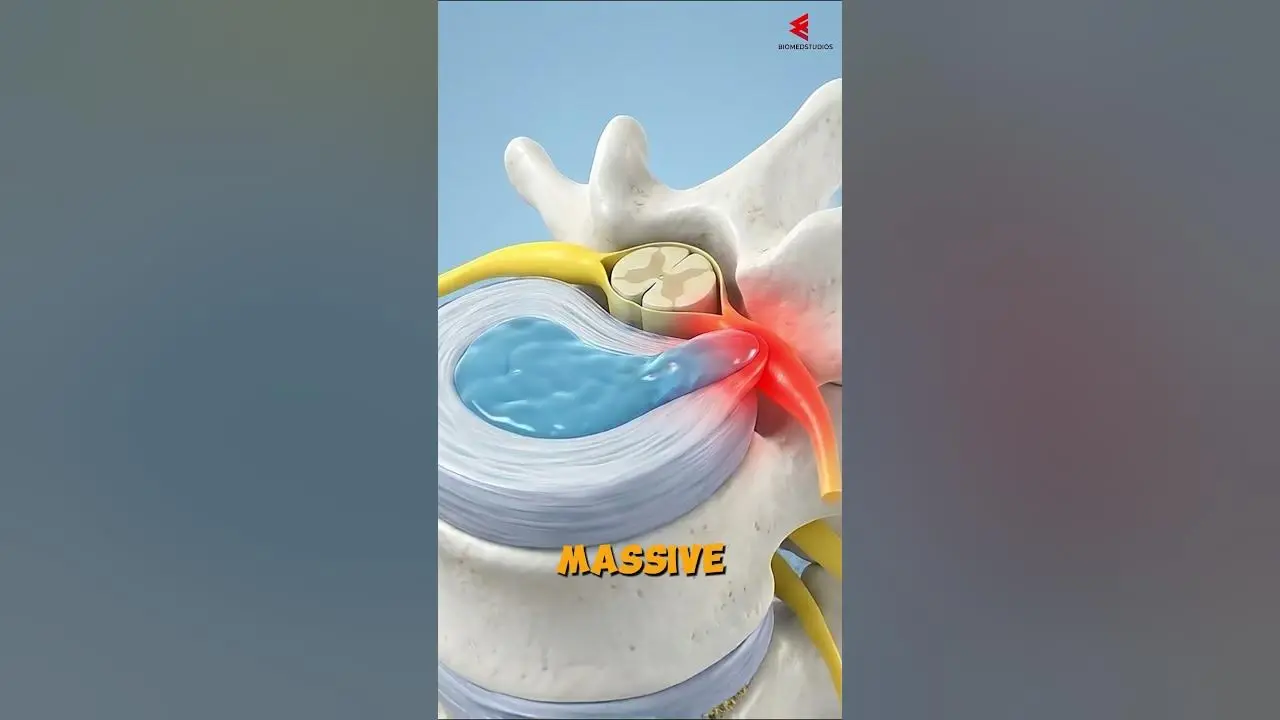
Sciatica is pain radiating along the sciatic nerve, usually from compression of a nerve root in the lower spine. The most common cause is a herniated disc. Most cases improve with conservative treatment within weeks, but severe or progressive symptoms may require surgical evaluation.
By BiomedStudiosReviewed by Buddhi Sandaras Kariyapperuma, clinical pharmacist1 min read
 Watch the animation · 1:54
Educational information. Symptoms, treatment and recovery need advice from a qualified clinician.
What sciatica feels like
The Biomedstudios video explains sciatica as pain, numbness or tingling radiating from the lower back through the buttock and down the leg. It typically affects one side. The Mayo Clinic describes sciatica symptoms and causes.
Common causes
Herniated discs pressing on nerve roots are the most frequent cause. Spinal stenosis, bone spurs and, rarely, tumors or infection can also compress the nerve. The NINDS explains lower back pain and nerve compression.
Treatment approach
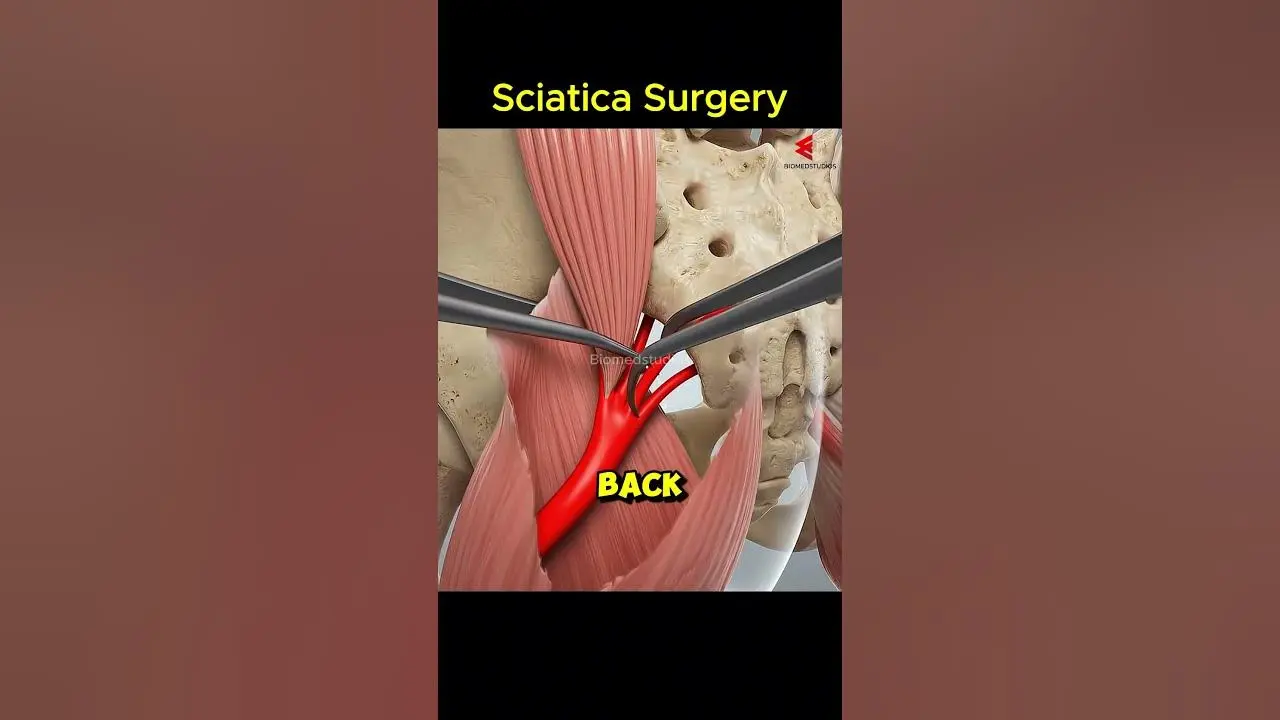
Most sciatica resolves with time, activity modification, anti-inflammatory medication and physical therapy. Persistent symptoms may warrant imaging and specialist referral. Surgery such as microdiscectomy is considered when conservative treatment fails or when neurological deficits are progressive.
Common questions
Should I stay in bed with sciatica?
Prolonged bed rest is not recommended. Gentle movement and guided exercise generally help recovery.
When is sciatica an emergency?
Loss of bladder or bowel control, progressive weakness, or numbness in the saddle area requires emergency assessment.