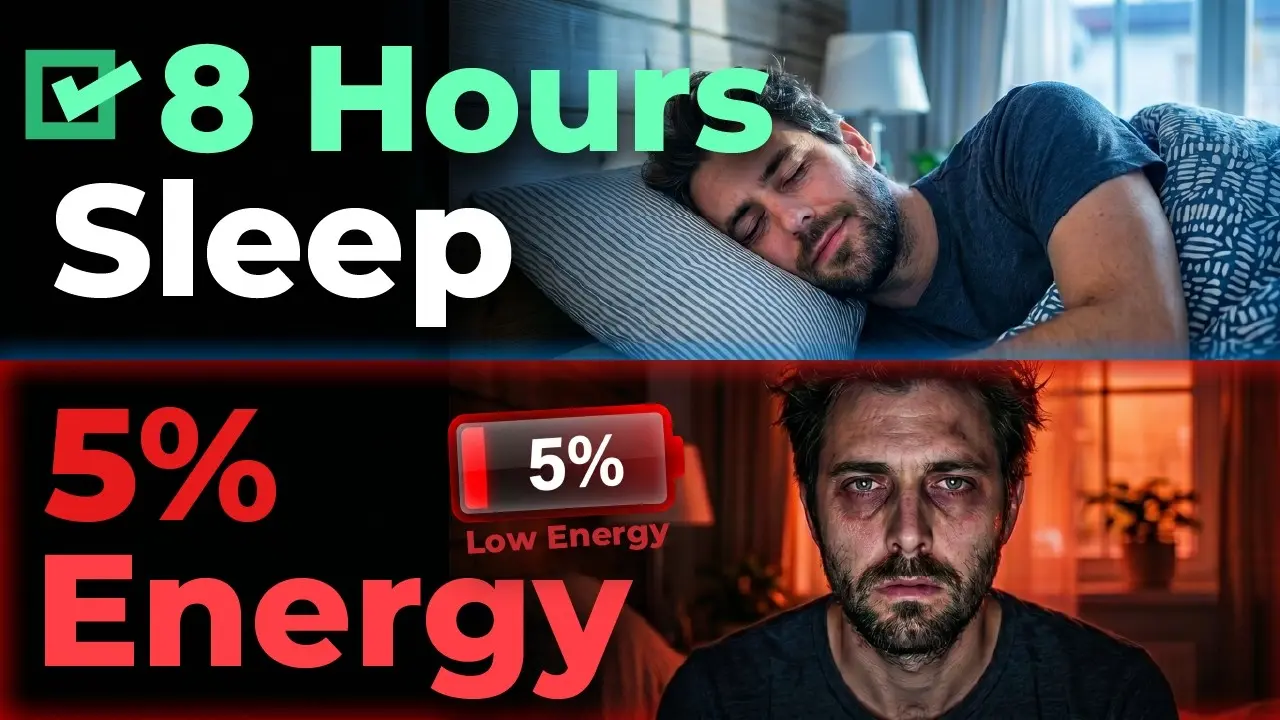
Why You Feel Tired After 8 Hours of Sleep
Spending eight hours in bed does not guarantee restorative sleep. Obstructive sleep apnea, in which the airway repeatedly narrows or closes during sleep, is one treatable cause of persistent tiredness despite adequate time asleep.
By BiomedStudiosReviewed by Buddhi Sandaras Kariyapperuma, clinical pharmacist2 min read
 Watch the animation · 2:40
Educational information. Symptoms, treatment and recovery need advice from a qualified clinician.
Hours in bed are not the same as quality sleep
The Biomedstudios video explains that time asleep and sleep quality are different. Repeated breathing interruptions can fragment sleep architecture without fully waking you, so you may be unaware of the disruption. Feeling unrefreshed despite adequate hours is a reason to investigate, not to assume you need more time in bed.
Other explanations for daytime tiredness include irregular sleep schedules, medications, mood disorders, thyroid conditions and chronic illness. A symptom diary noting bedtime, wake time, snoring reports from a partner, and daytime sleepiness can help a clinician distinguish possibilities.
How obstructive sleep apnea disrupts rest
During obstructive sleep apnea the soft tissues around the airway relax and narrow the passage. Oxygen levels may drop and the brain briefly rouses the sleeper to restore breathing. These arousals can happen many times per hour. The NHLBI explains sleep apnea types, risk factors and health consequences.
Risk factors include excess weight, a narrow airway, family history and certain anatomical features, though sleep apnea can affect people of any body type. Untreated sleep apnea is associated with cardiovascular risk, high blood pressure and impaired concentration.
When to seek assessment
Loud habitual snoring, witnessed breathing pauses, gasping during sleep, morning headaches and difficulty staying alert while driving are reasons to discuss a sleep evaluation with a healthcare professional. The Mayo Clinic describes sleep apnea diagnosis, including home and laboratory sleep studies.
A sleep study measures breathing, oxygen levels, heart rhythm and sleep stages. The results guide treatment decisions, which may include continuous positive airway pressure, oral appliances, positional strategies or surgical options depending on severity and anatomy.
What treatment can change
Effective treatment aims to restore uninterrupted breathing during sleep. Many people report improved alertness, mood and concentration. Treatment does not replace attention to sleep hygiene, consistent schedules and management of other conditions. Follow the treatment plan and attend follow-up to confirm effectiveness.
Common questions
Can lifestyle changes help?
Weight management, avoiding alcohol before bed and sleeping on your side may reduce symptoms for some people. They may not eliminate moderate or severe apnea on their own.
Is snoring always sleep apnea?
No. Snoring is common and has several causes. Sleep apnea is diagnosed when breathing is repeatedly disrupted, not merely from the sound alone.

