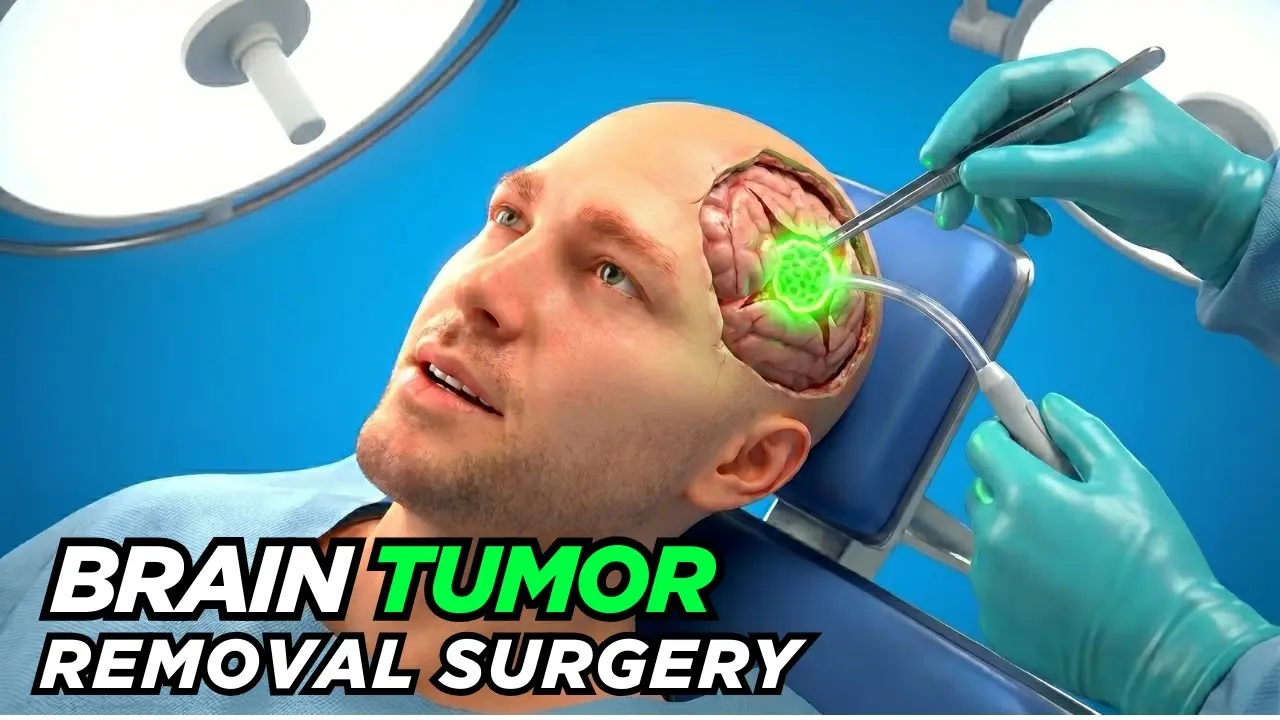
Awake Brain Tumor Surgery: See the Procedure in Seconds
Awake brain surgery keeps the patient conscious so surgeons can test speech and movement in real time while removing a tumor. This helps preserve critical brain functions that imaging alone cannot fully map.
By BiomedStudiosReviewed by Buddhi Sandaras Kariyapperuma, clinical pharmacist1 min read
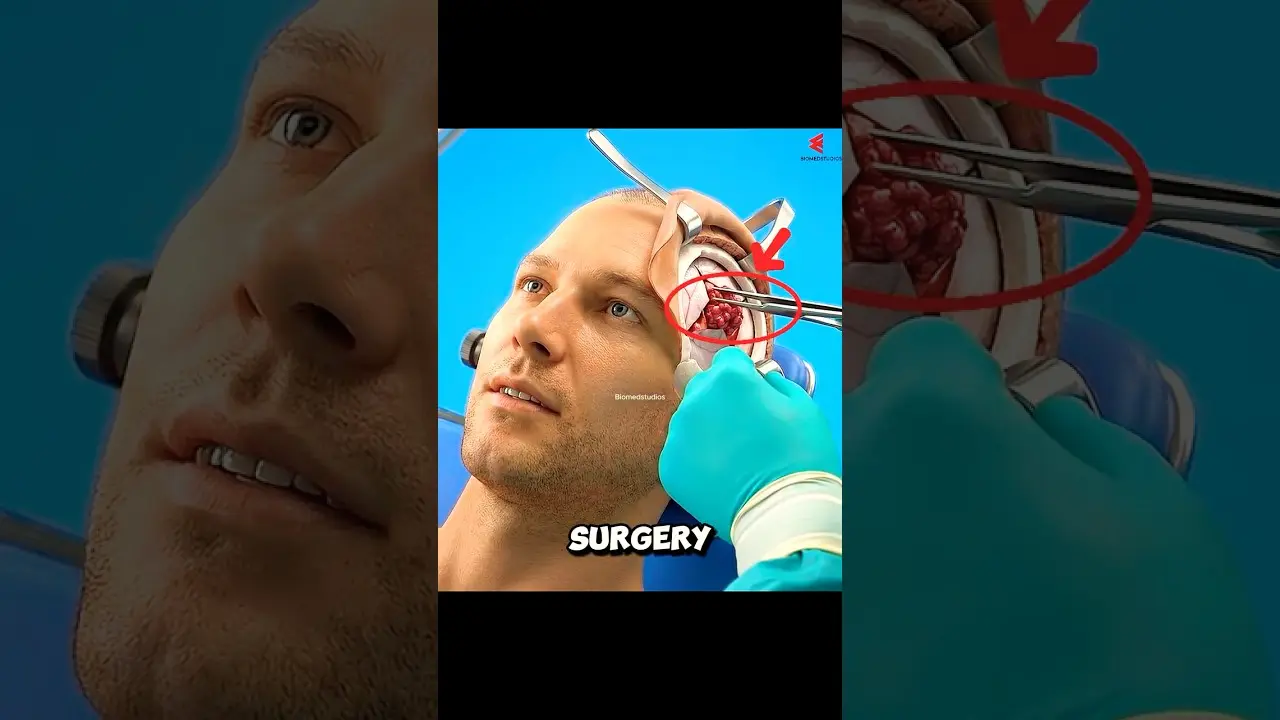 Watch the animation · 0:29
Educational information. Symptoms, treatment and recovery need advice from a qualified clinician.
Why wakefulness matters
This Biomedstudios Short shows a brain tumor being removed while the patient is awake. The technique allows the surgical team to stimulate brain areas near the tumor and observe the patient's responses. If speech or movement is affected, the surgeon adjusts the approach.
The Mayo Clinic explains awake brain surgery and its benefits.
Comfort during the procedure
Local anesthesia numbs the scalp and skull. Sedation may be used at the start and end. The brain itself has no pain receptors. The NCI describes brain tumor treatment options.
Common questions
Is every brain surgery done awake?
No. Awake surgery is reserved for tumors near critical functional areas.