Brain Tumor Surgery: Symptoms, Treatment and Recovery
Brain tumor symptoms depend on size and location and may include headaches, seizures, vision changes or weakness. Surgery aims to remove as much tumor as safely possible. The treatment plan combines imaging, pathology results and the patient's overall condition.
By BiomedStudiosReviewed by Buddhi Sandaras Kariyapperuma, clinical pharmacist2 min read
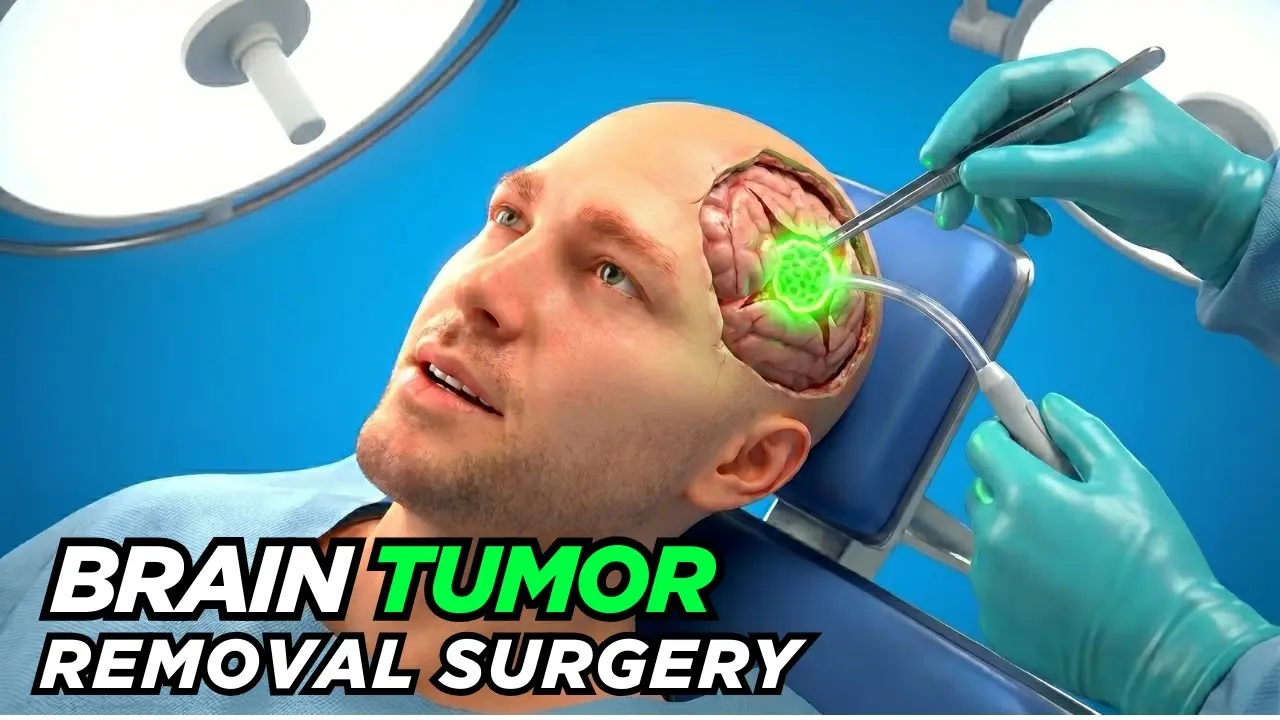 Watch the animation · 1:42
Educational information. Symptoms, treatment and recovery need advice from a qualified clinician.
How symptoms relate to tumor location
The Biomedstudios animation shows how a brain tumor's position determines which functions may be affected. A tumor near the motor cortex may cause weakness, while one near visual pathways may affect sight. Headaches, seizures, personality changes and coordination problems are common presentations.
The NCI explains brain tumor types, diagnosis and treatment options. Symptoms overlap with many other conditions, so imaging is essential for diagnosis.
The surgical approach
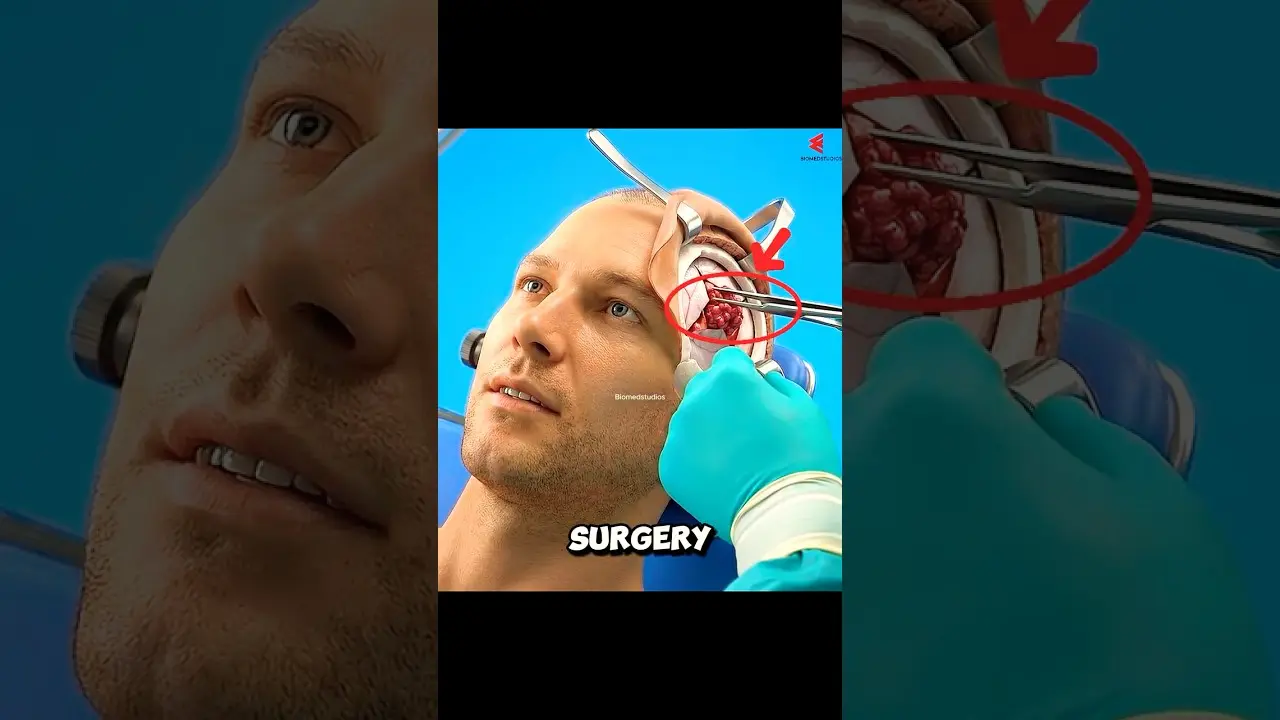
A craniotomy involves opening part of the skull to access the tumor. The surgeon aims to remove as much tumor as is safely possible while preserving function. Techniques including intraoperative imaging and neurophysiological monitoring help guide the procedure.
The Mayo Clinic describes brain tumor diagnosis and treatment, including when surgery is combined with radiation or chemotherapy.
After surgery
Recovery varies based on the tumor and the extent of surgery. Rehabilitation, follow-up imaging and possible adjuvant treatment are commonly part of the ongoing plan. Pathology results determine the tumor grade and guide further decisions.
Common questions
Are all brain tumors cancerous?
No. Benign tumors can still cause symptoms due to their location and may require treatment.
Can a brain tumor be cured by surgery alone?
Some benign tumors can be cured with complete removal. Malignant tumors often require additional treatment.