What Is Gastritis? Causes, Symptoms and Treatment
Gastritis is inflammation of the stomach lining caused by infection, medications, alcohol or autoimmune processes. Symptoms include upper abdominal pain, nausea and bloating. Treatment addresses the cause: antibiotics for H. pylori, stopping offending medications, or acid-suppressing therapy.
By BiomedStudiosReviewed by Buddhi Sandaras Kariyapperuma, clinical pharmacist1 min read
 Watch the animation · 1:50
Educational information. Symptoms, treatment and recovery need advice from a qualified clinician.
What happens in gastritis
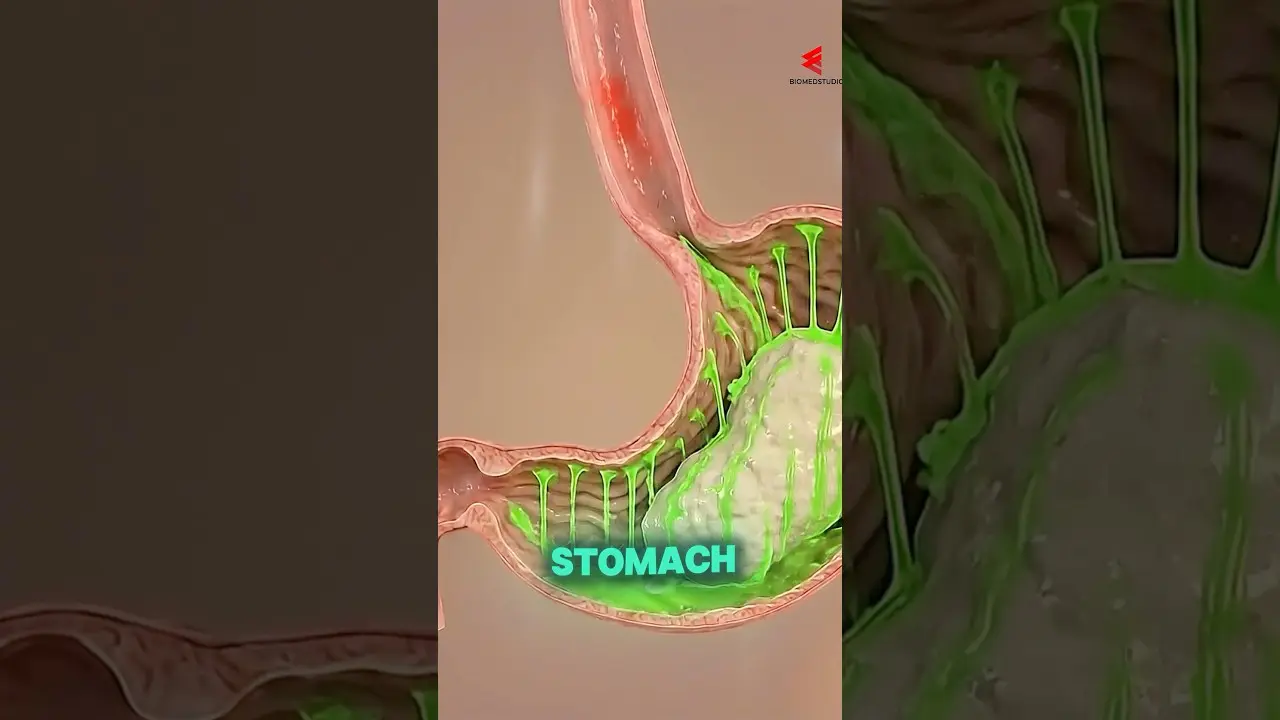
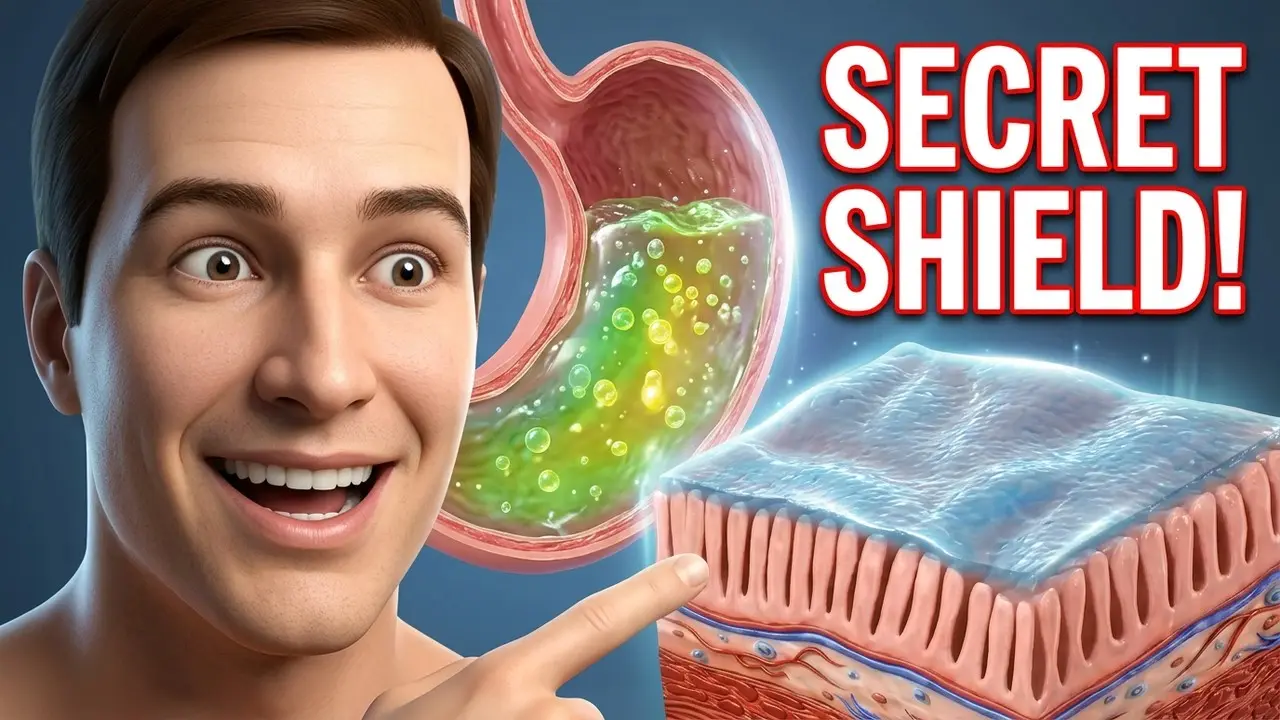
The Biomedstudios video shows how the stomach lining becomes inflamed. The protective mucus barrier can be disrupted by H. pylori bacteria, regular NSAID use, excess alcohol or stress-related factors. The NIDDK explains gastritis types and causes.
Diagnosis and treatment
Testing may include blood tests, stool tests for H. pylori, or endoscopy. Treatment depends on the cause. H. pylori eradication uses a combination of antibiotics and acid suppressors. NSAID-related gastritis may improve by switching medications. The Mayo Clinic describes gastritis treatment approaches.
Common questions
Can gastritis become stomach cancer?
Chronic gastritis, particularly from H. pylori, can increase risk over many years. Treatment and monitoring reduce that risk.
Should I stop eating spicy food?
Spicy food does not cause gastritis but may worsen symptoms in some people. Dietary modifications should be personalized.