The Fate of Food: A Quick Digestive Journey
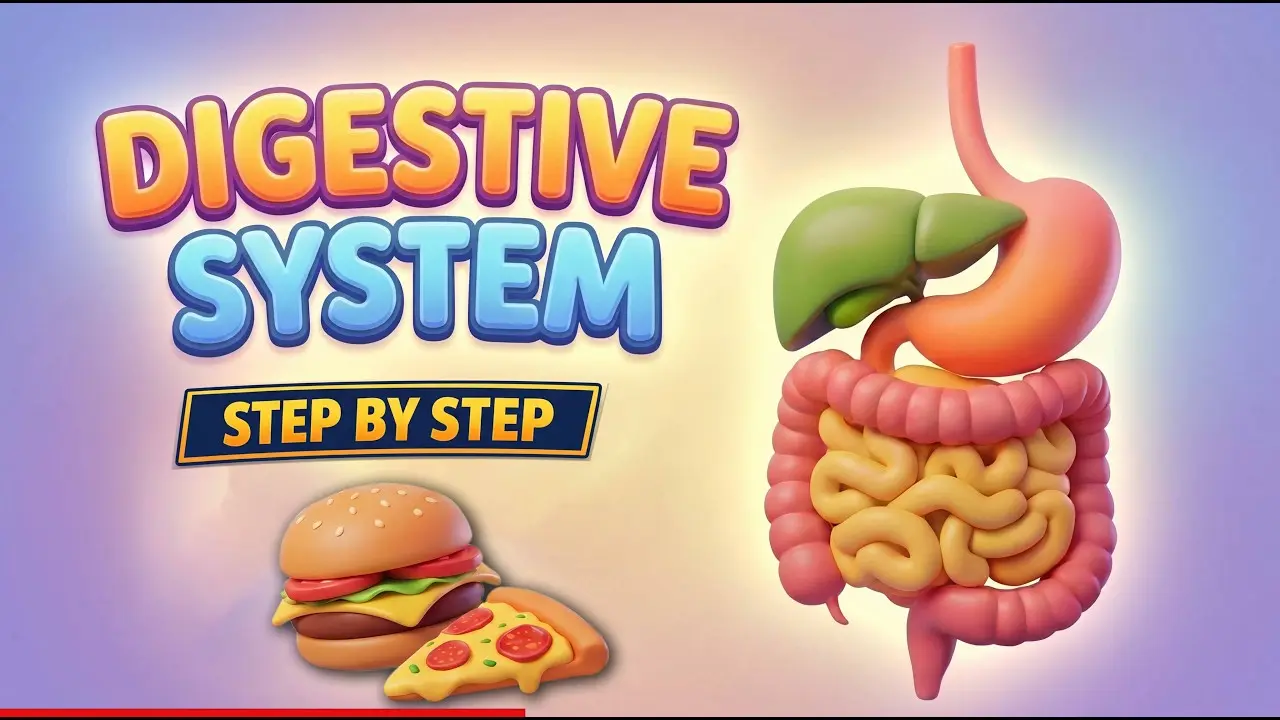
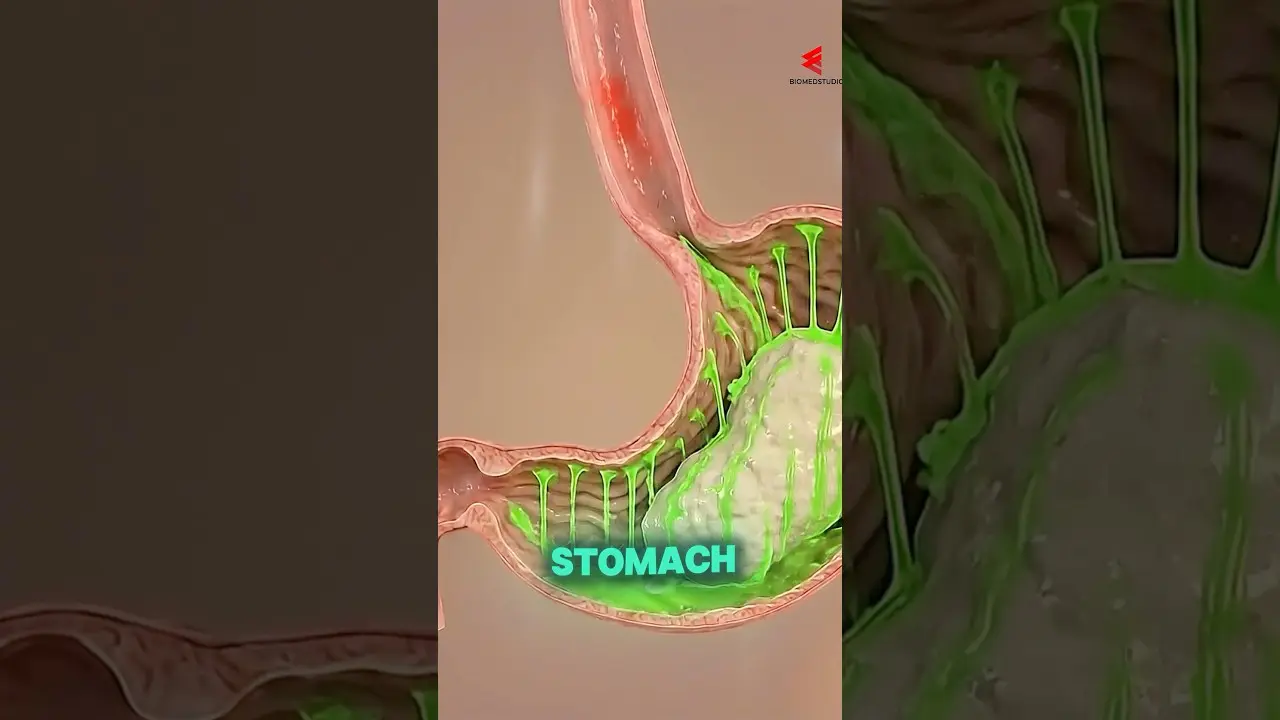
This Short follows food through the digestive system: chewing begins mechanical breakdown, the stomach adds acid and enzymes, the small intestine absorbs nutrients with help from the liver and pancreas, and the large intestine reabsorbs water to form stool.
By BiomedStudiosReviewed by Buddhi Sandaras Kariyapperuma, clinical pharmacist1 min read
 Watch the animation · 1:05
Educational information. Symptoms, treatment and recovery need advice from a qualified clinician.
Following food through the body
The Biomedstudios Short traces food from mouth to waste. Each organ adds something to the process: saliva starts starch digestion, stomach acid kills bacteria and breaks down protein, bile emulsifies fats, and the intestinal lining absorbs nutrients into the bloodstream. The NIDDK explains the complete digestive process.
Efficiency and waste
Not everything is absorbed. Fiber passes through largely intact, supporting bowel health. The Mayo Clinic discusses digestive organ functions.
Common questions
Why does digestion take so long?
Different nutrients require different processing times. Fats take longer to digest than carbohydrates. The large intestine alone can take 12 to 36 hours.