Why Your Heart Can Fail While Hiking: Risks and Prevention
Hiking increases heart rate, blood pressure and oxygen demand. In someone with unrecognized or undertreated heart disease, that demand can exceed the heart's capacity. Preparation, graded training, medical clearance and knowing warning signs reduce the risk.
By BiomedStudiosReviewed by Buddhi Sandaras Kariyapperuma, clinical pharmacist2 min read
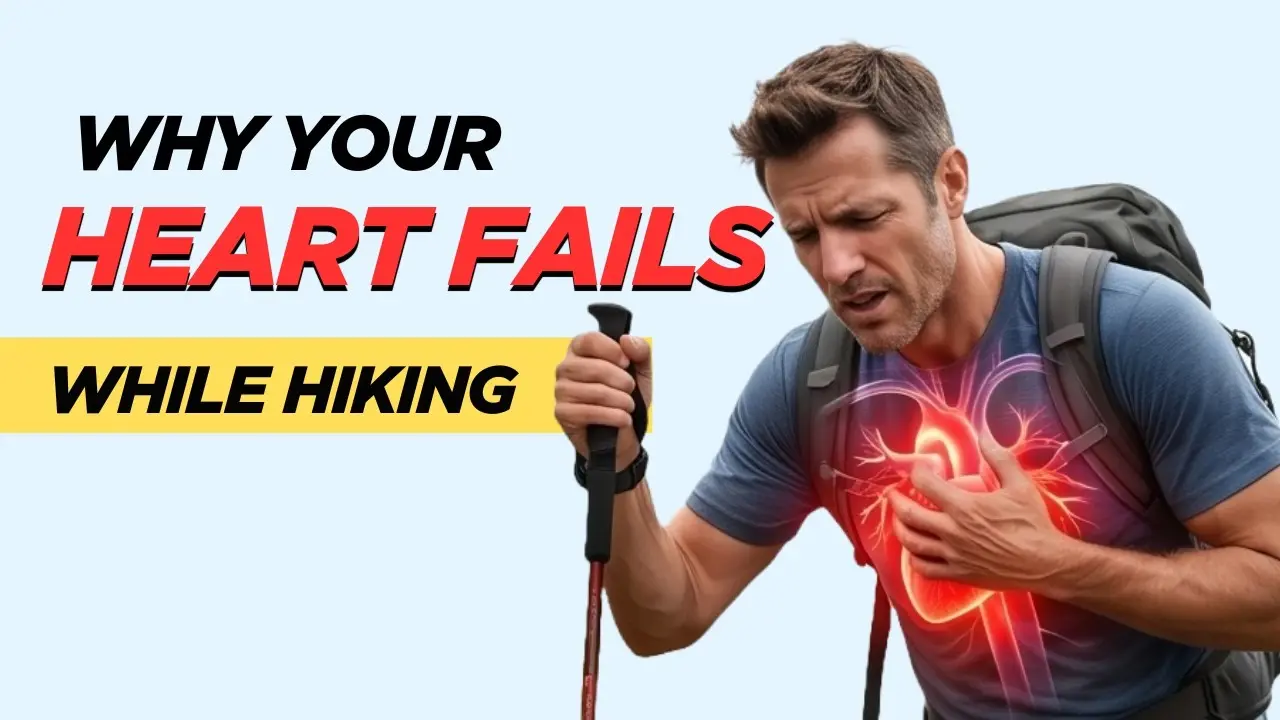 Watch the animation · 3:27
Educational information. Symptoms, treatment and recovery need advice from a qualified clinician.
Why physical exertion can unmask heart problems
Exercise is beneficial for cardiovascular health overall, but a sudden increase in intensity can exceed what a compromised heart can deliver. The Biomedstudios video explains that altitude, dehydration, heat and sustained effort each add to cardiac workload. Someone with undiagnosed coronary disease or a structural heart problem may experience symptoms for the first time during vigorous outdoor activity.
The American Heart Association discusses target heart rates and safe exertion. The key point is that feeling fit does not guarantee the absence of underlying disease, especially with risk factors such as smoking history, diabetes, high blood pressure or a family history of early heart disease.
Preparation reduces risk
Gradual training, acclimatization at altitude, adequate hydration and realistic route selection all help. If you have not exercised regularly or have known heart risk factors, discuss your plans with a healthcare professional before undertaking a demanding hike. A medical assessment can identify problems that are manageable with treatment.
Carry a charged phone with emergency contacts, inform someone of your route and timing, and be willing to turn back if symptoms develop. Do not push through chest pressure, unusual breathlessness, dizziness or nausea at altitude.
Warning signs that need immediate action
Chest pain or pressure, severe breathlessness out of proportion to effort, fainting, confusion or cold sweating require stopping activity and calling emergency services. The AHA lists heart attack and stroke warning signs. In a remote setting, early recognition and communication with rescue services can be lifesaving.
Common questions
Should everyone see a doctor before hiking?
People with known heart disease, risk factors or recent inactivity benefit from clearance. Young, regularly active people without symptoms or risk factors may not need a formal evaluation for moderate hikes but should still know warning signs.
Does altitude make it worse?
Altitude reduces available oxygen and increases heart rate. Combined with exertion, it raises cardiac demand. Gradual acclimatization helps but cannot eliminate all risk.