How the Digestive System Works: A Complete 3D Tour
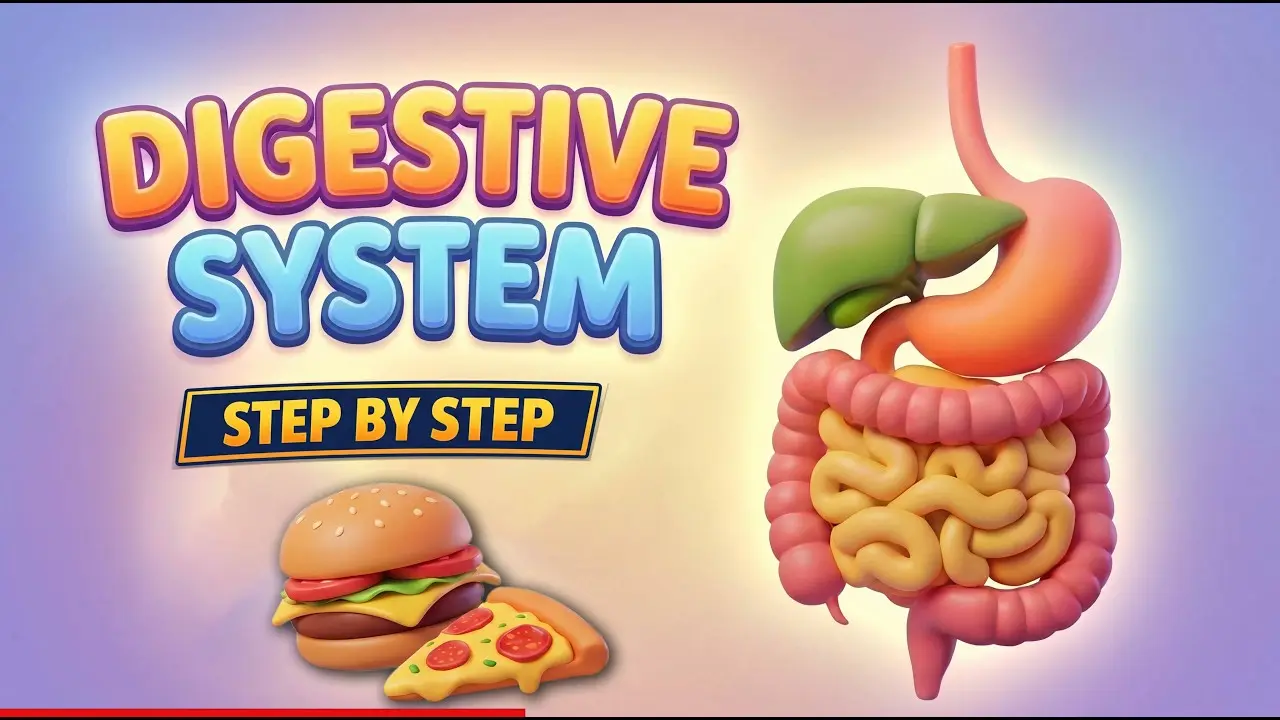
The digestive system breaks food down mechanically and chemically as it passes from the mouth through the esophagus, stomach, small intestine and large intestine. Each section has specialized functions for processing food and absorbing nutrients. The entire process takes roughly 24 to 72 hours.
By BiomedStudiosReviewed by Buddhi Sandaras Kariyapperuma, clinical pharmacist2 min read
 Watch the animation · 4:52
Educational information. Symptoms, treatment and recovery need advice from a qualified clinician.
Following food through the body
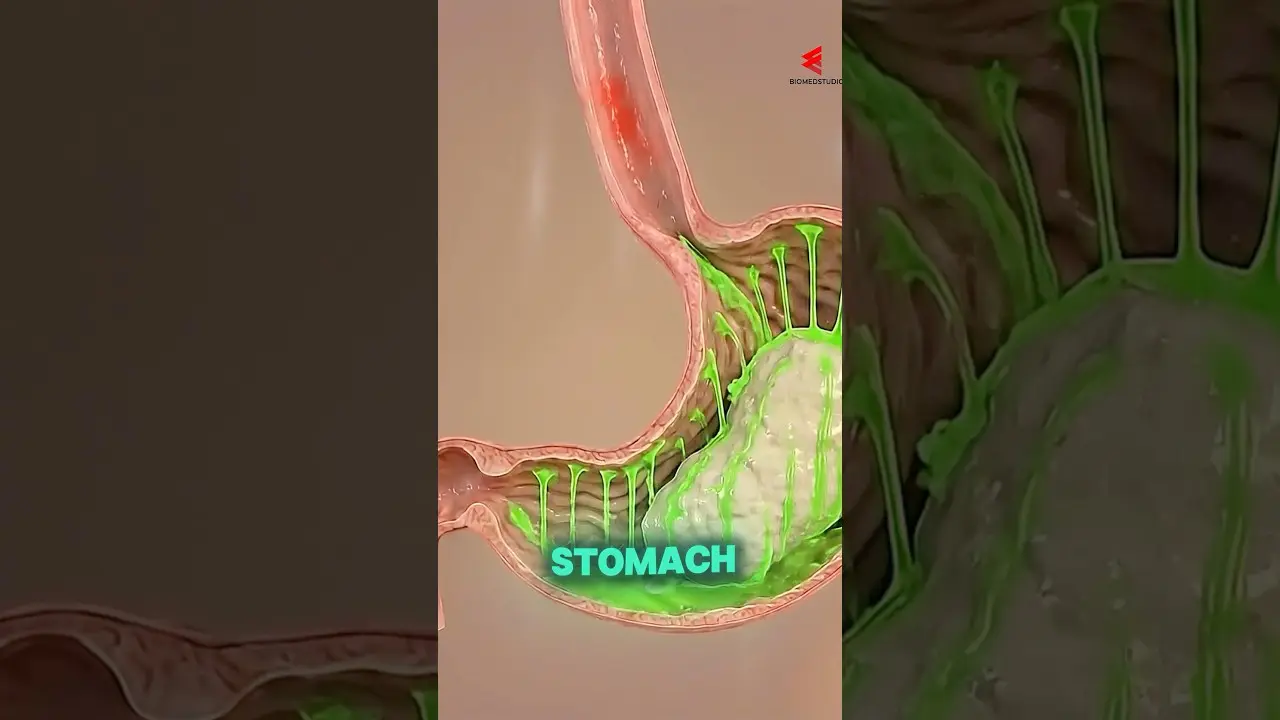
The Biomedstudios animation provides a complete tour of digestion. Chewing and saliva begin the process. The esophagus carries food to the stomach, where acid and enzymes continue breakdown. The small intestine is the primary site of nutrient absorption. The large intestine reabsorbs water and forms stool.
The NIDDK explains how each part of the digestive system functions.
Key organs and their roles
The liver produces bile stored in the gallbladder. The pancreas produces digestive enzymes and bicarbonate. These secretions enter the small intestine to help break down fats, proteins and carbohydrates. The Mayo Clinic describes digestive organ functions.
When to be concerned
Persistent changes in bowel habits, unexplained weight loss, difficulty swallowing or ongoing pain should prompt medical evaluation. Most digestive discomfort is benign, but persistent symptoms need assessment.
Common questions
How long does digestion take?
Transit time varies from 24 to 72 hours depending on the individual, food type and other factors.
Does the body absorb everything you eat?
No. Fiber and some other components pass through largely undigested, which is normal and beneficial.