The BiomedStudios blog
Medicine, explained clearly.
The science behind our animations, written to be read in a few minutes. 77 articles, each with its sources.
 Clogged Arteries: Symptoms and What Visible Signs Really Mean
Learn which symptoms may suggest clogged arteries, why eye rings and earlobe creases cannot diagnose them, and when chest discomfort needs urgent care.
Read the article
77 articles
Clogged Arteries: Symptoms and What Visible Signs Really Mean
Learn which symptoms may suggest clogged arteries, why eye rings and earlobe creases cannot diagnose them, and when chest discomfort needs urgent care.
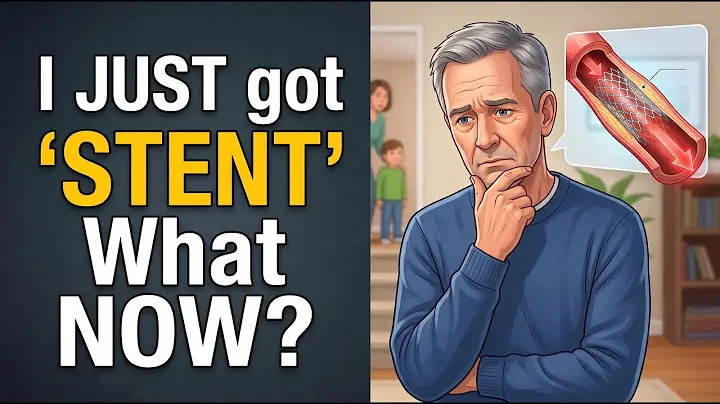 Heart Stent Recovery: Medicines, Activity and Warning Signs
Understand recovery after a heart stent: antiplatelet medicines, returning to daily activity, cardiac rehabilitation and symptoms needing urgent help.
 Coronary Calcium Score: What It Means for Your Heart
Learn what a coronary calcium score measures, how it differs from CT angiography, why zero is not a complete all-clear and what to discuss with your doctor.
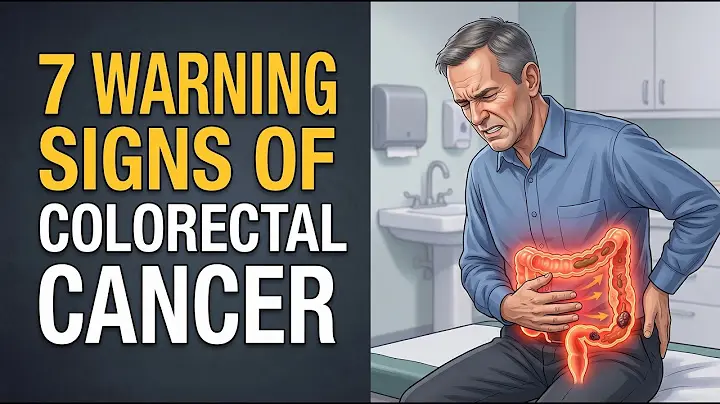 7 Possible Signs of Colorectal Cancer and When to Get Checked
Learn seven possible colorectal cancer symptoms, why bleeding and anemia need assessment, and how diagnostic tests differ from routine bowel screening.
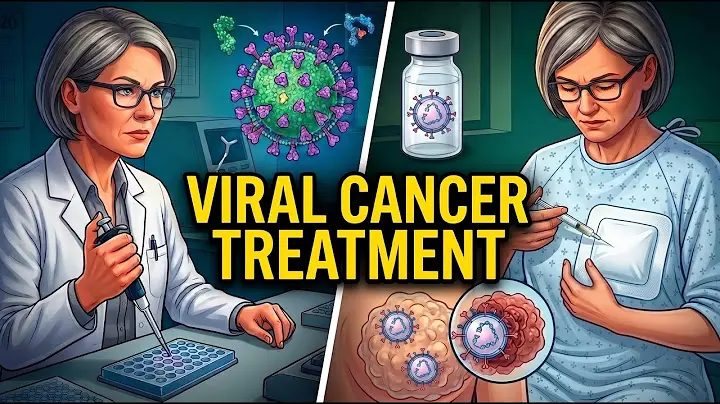 Viruses Against Cancer: What the Beata Halassy Case Shows
Understand oncolytic virus therapy, the limits of Beata Halassy's breast cancer case, and how experimental reports differ from approved melanoma treatments.
 Pancreatic Cancer Symptoms: Seven Changes That Need Context
Explore possible pancreatic cancer symptoms, including jaundice, weight loss and new diabetes, and learn when to seek assessment without self-diagnosing.
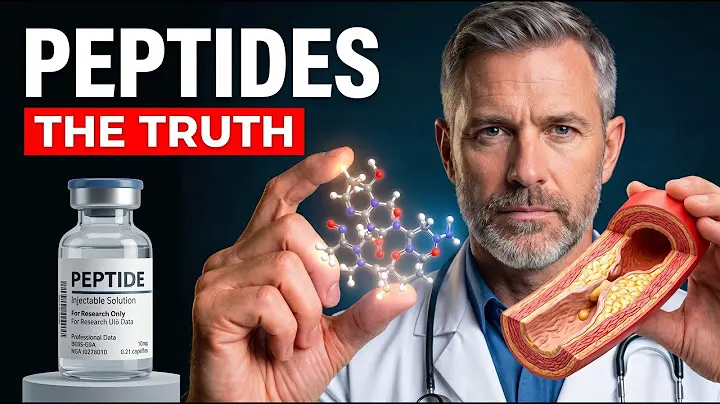 Can Arterial Plaque Be Reversed? Peptides and the Evidence
Understand plaque regression versus stabilization, established cholesterol treatment and why experimental peptide claims need clinical evidence before use.
 Early Heart Failure Symptoms: Swelling, Breathing and Fatigue
Learn possible heart failure symptoms, why rapid weight changes matter, how to track changes and why a home mnemonic cannot replace medical assessment.
 How Smelling Salts Work: Athletic Hype, Ammonia and Risks
Learn how ammonia smelling salts affect alertness, why they do not prove superhuman performance, and why concussion symptoms require medical assessment.
 Why Athletes Collapse: Cardiac Arrest Causes and Response
Understand possible cardiac causes of an athlete collapse, including cardiomyopathy and commotio cordis, and why rapid CPR and AED use matter in an emergency.
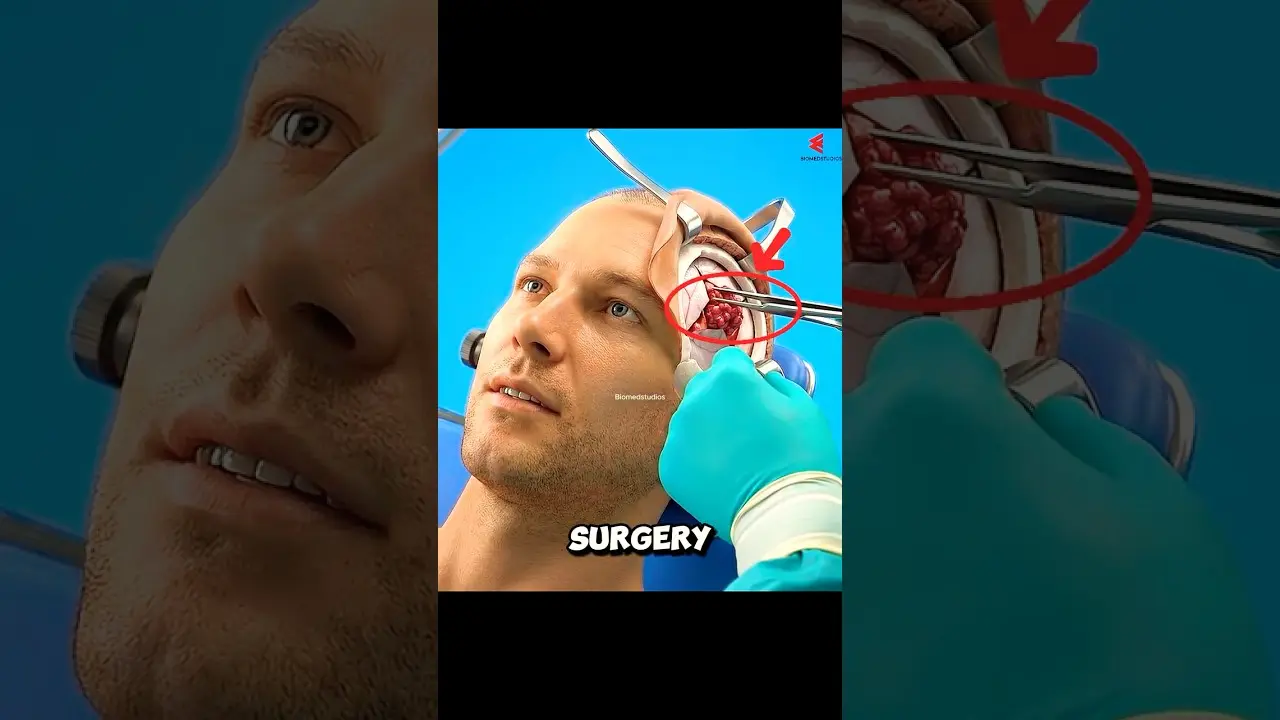 Awake Brain Tumor Surgery: See the Procedure in Seconds
Watch a quick animation of awake brain surgery where the patient performs tasks while surgeons remove a tumor, and learn why wakefulness helps protect function.
 Awake Brain Tumor Removal: Quick Visual Explainer
A brief animated look at how surgeons remove brain tumors while patients are awake, testing function in real time to protect speech and movement.
 Why Some Brain Tumors Glow Pink During Surgery
See why some gliomas appear pink under special light, how 5-ALA fluorescence guides surgery, and why glowing tissue is not a perfect map of a brain tumor.
 Whipple Procedure Explained: Surgery, Reconstruction and Recovery
Learn what a Whipple procedure removes, how surgeons reconnect digestion, who may be eligible, and why recovery and costs depend on the treatment plan.
 SSPE After Measles: A Rare Delayed Brain Complication
Understand subacute sclerosing panencephalitis, the rare delayed brain complication of measles, its symptoms, supportive care, and the role of vaccination.
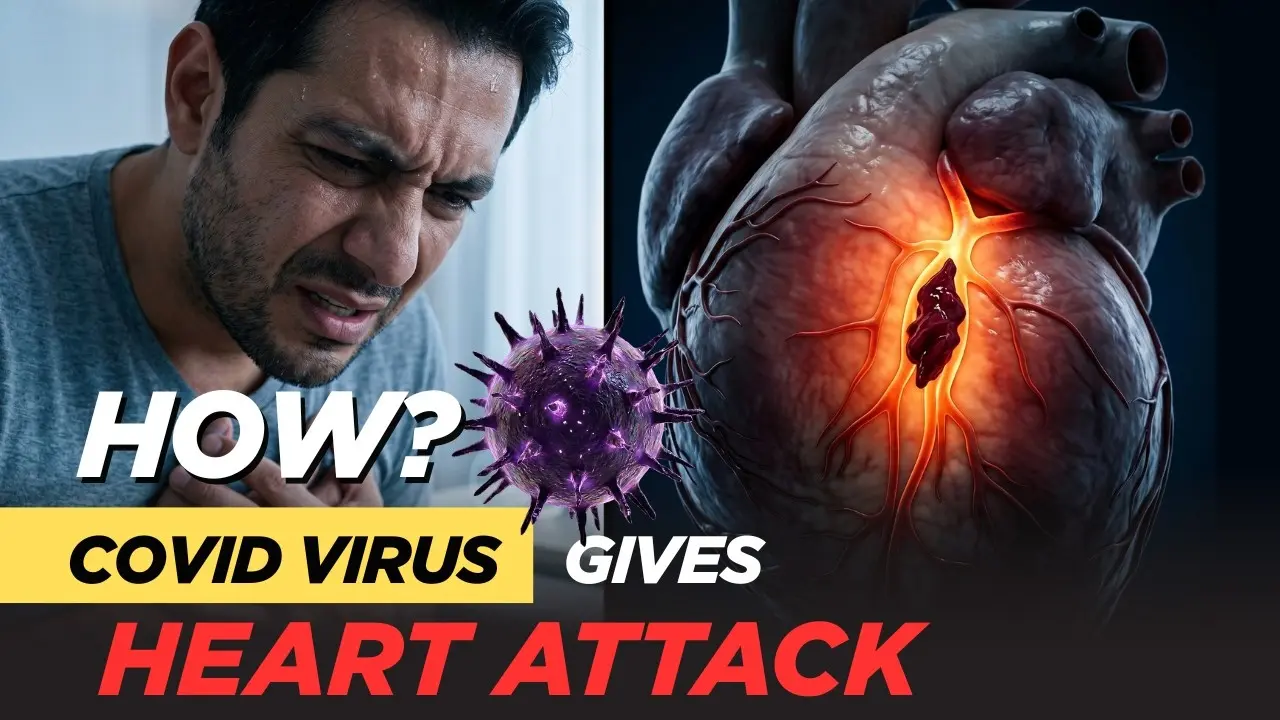 COVID and Blood Clots: Inflammation, Risk and Warning Signs
Learn how COVID-related inflammation can contribute to abnormal clotting, which symptoms need urgent assessment, and why blood thinners require medical advice.
 Measles Immune Amnesia: What the Evidence Actually Shows
Explore how measles can damage previously acquired immune memory, what antibody research found, and why immune amnesia does not mean all immunity disappears.
 Endovenous Laser Ablation: How Varicose Vein Treatment Works
Learn how ultrasound-guided laser ablation closes a faulty leg vein, how blood uses other veins, and what to discuss about recovery, alternatives, and risks.
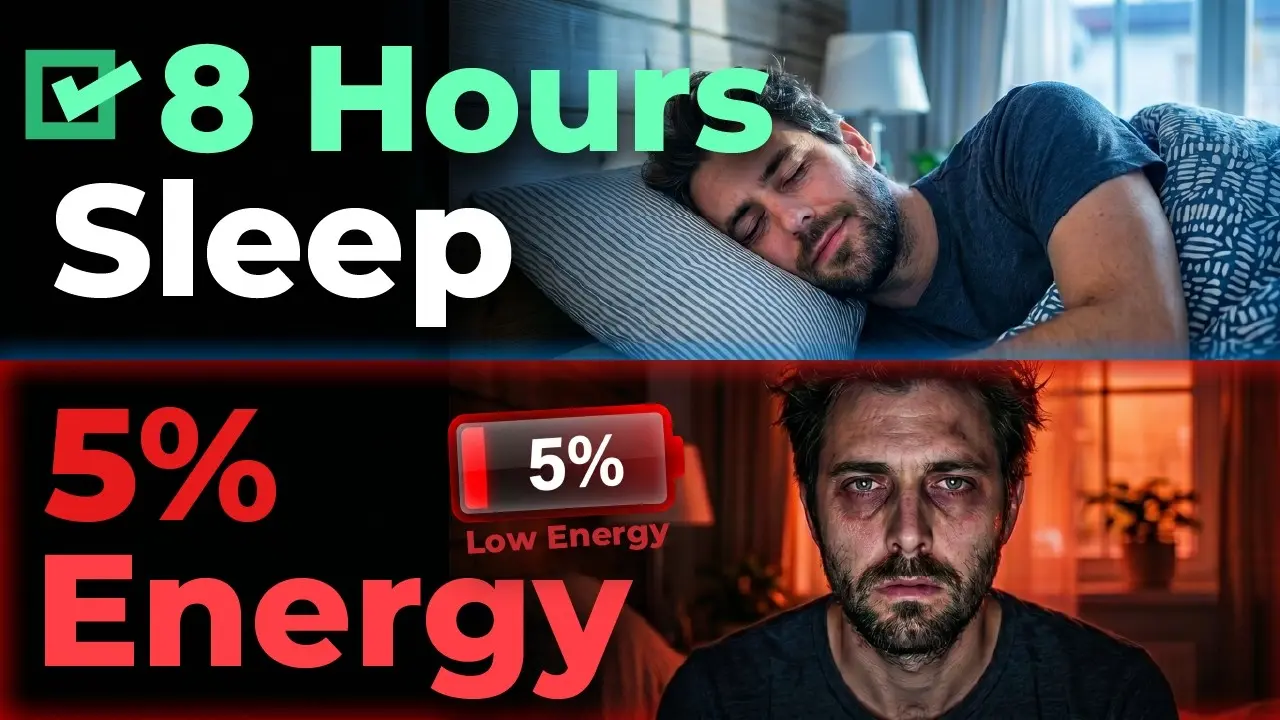 Why You Feel Tired After 8 Hours of Sleep
Discover why a full night's sleep can still leave you exhausted, how obstructive sleep apnea disrupts rest, and when to seek a professional sleep assessment.
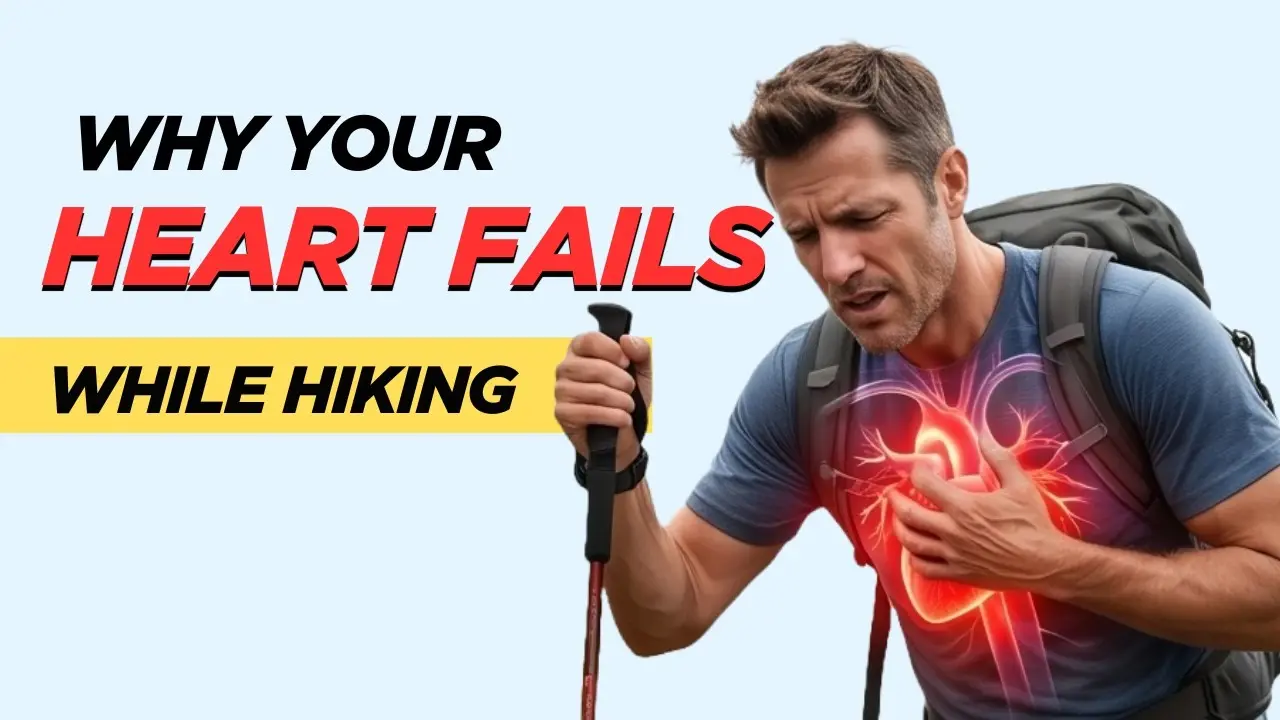 Why Your Heart Can Fail While Hiking: Risks and Prevention
Why hiking can stress the heart, which warning signs to act on, and how preparation and medical clearance reduce the risk of a cardiac event outdoors.
 What a Severe Bee Sting Does to Your Body: Anaphylaxis Explained
Learn how a severe allergic reaction to a bee sting can cause anaphylaxis, why epinephrine is the first treatment, and how to prepare if you carry allergy risk.
 What Happens to Your Brain When You Sit for 8 Hours
Learn how prolonged sitting may affect brain structure and cognition, what research shows about sedentary behavior, and practical ways to add movement breaks.
 Why Healthy People Get Heart Attacks: Hidden Risk Factors
Understand why apparently fit people can have heart attacks, which hidden risk factors contribute, and what screening and prevention strategies can help.
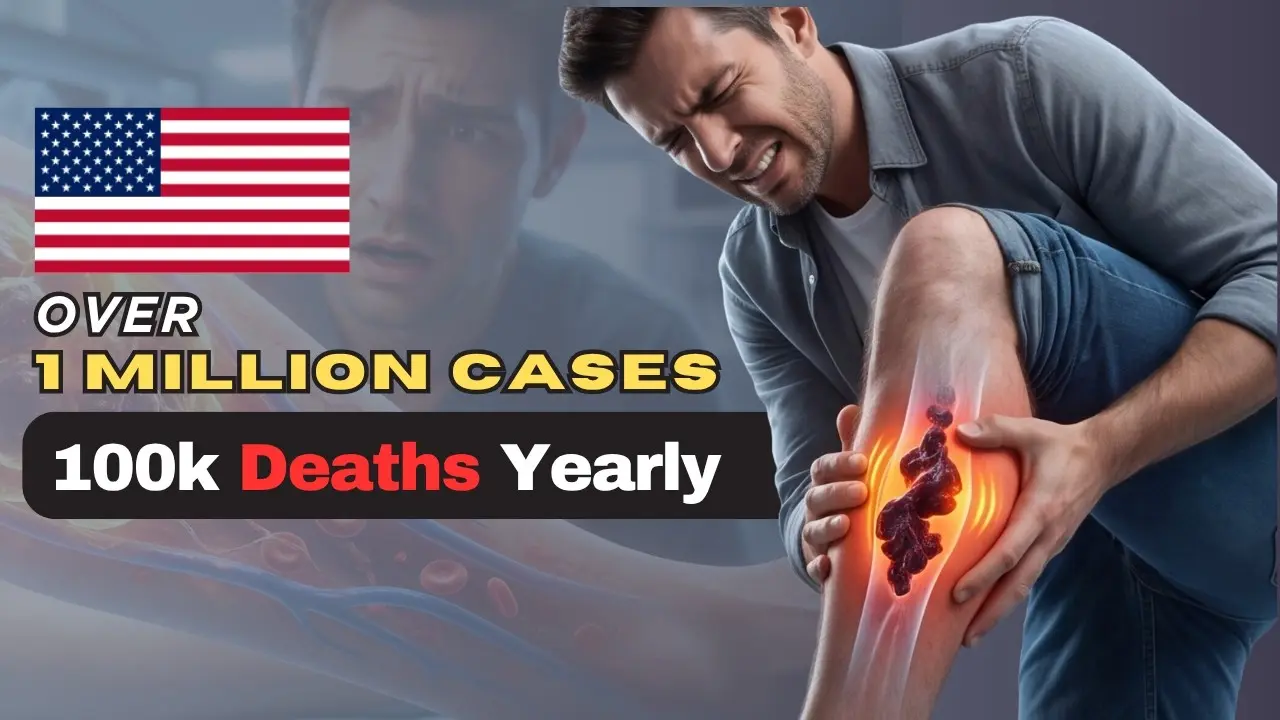 Deep Vein Thrombosis: Why That Leg Cramp May Be a Blood Clot
Learn to distinguish deep vein thrombosis from a muscle cramp, understand DVT risk factors, and know when leg swelling or pain needs urgent medical assessment.
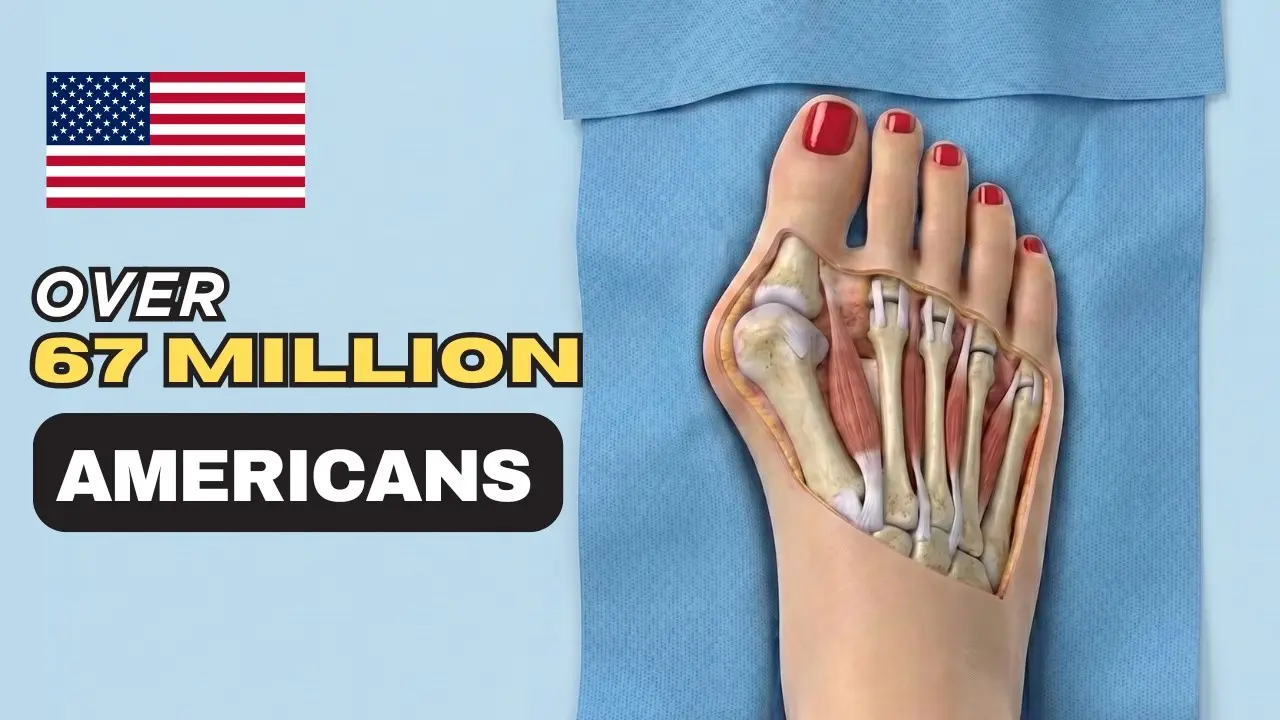 Bunion Surgery: When Is It Really Necessary?
Understand what causes bunions, when surgery is appropriate, what the procedure involves, and how conservative measures compare to surgical correction.
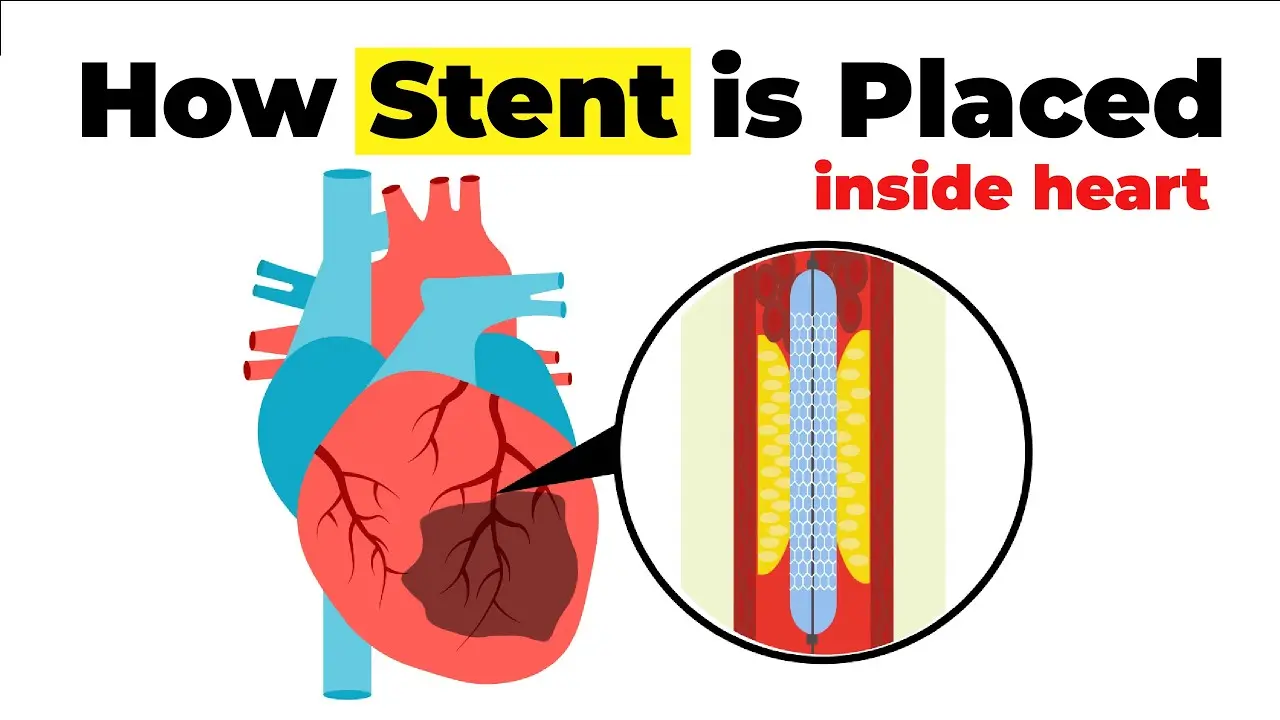 How a Stent Is Placed During a Heart Attack: 3D Animation
Watch a 3D animation of emergency coronary stent placement, understand how angioplasty restores blood flow, and learn what to expect during the procedure.
 Stent Complications: Risks Your Doctor Should Explain
Learn about possible stent complications including restenosis, stent thrombosis and late issues, why antiplatelet medicines matter, and questions to ask.
 How Colorectal Screening Finds Polyps Before Cancer
See how colorectal screening can find precancerous polyps, compare stool tests with colonoscopy, and understand follow-up after an abnormal screening result.
 Hantavirus Explained: Why It Can Be Deadly
How hantavirus spreads from rodents to humans, the symptoms of hantavirus pulmonary syndrome, why early treatment matters, and how to reduce exposure.
 How the ADHD Brain Works: A Quick Visual Guide
See how the ADHD brain processes attention differently, understand the role of dopamine and prefrontal cortex, and learn why ADHD is a neurological difference.
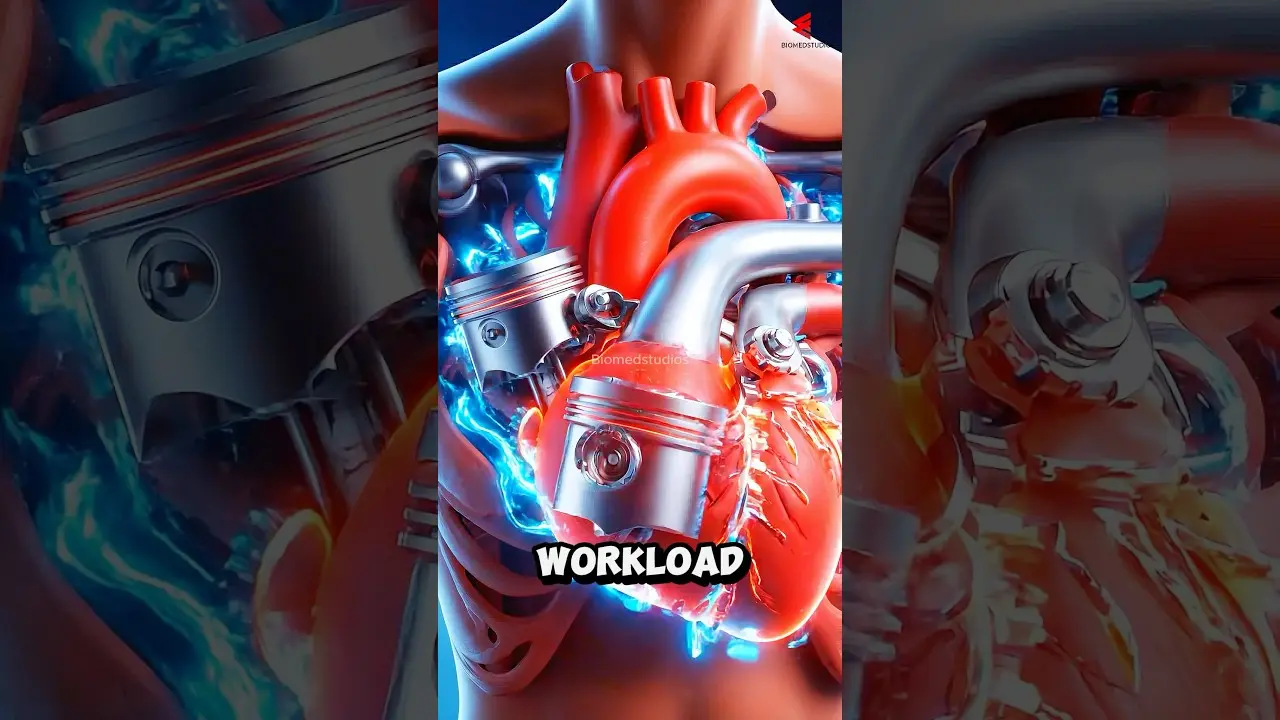 Stent Placement in a Heart Attack: Quick Animation
Watch a brief 3D animation showing how a stent opens a blocked coronary artery during a heart attack, restoring blood flow to heart muscle.
 Alzheimer's Disease: Early Diagnosis and Brain Changes
Understand early Alzheimer's brain changes, how imaging and biomarkers aid diagnosis, and why early detection can improve planning and access to treatment.
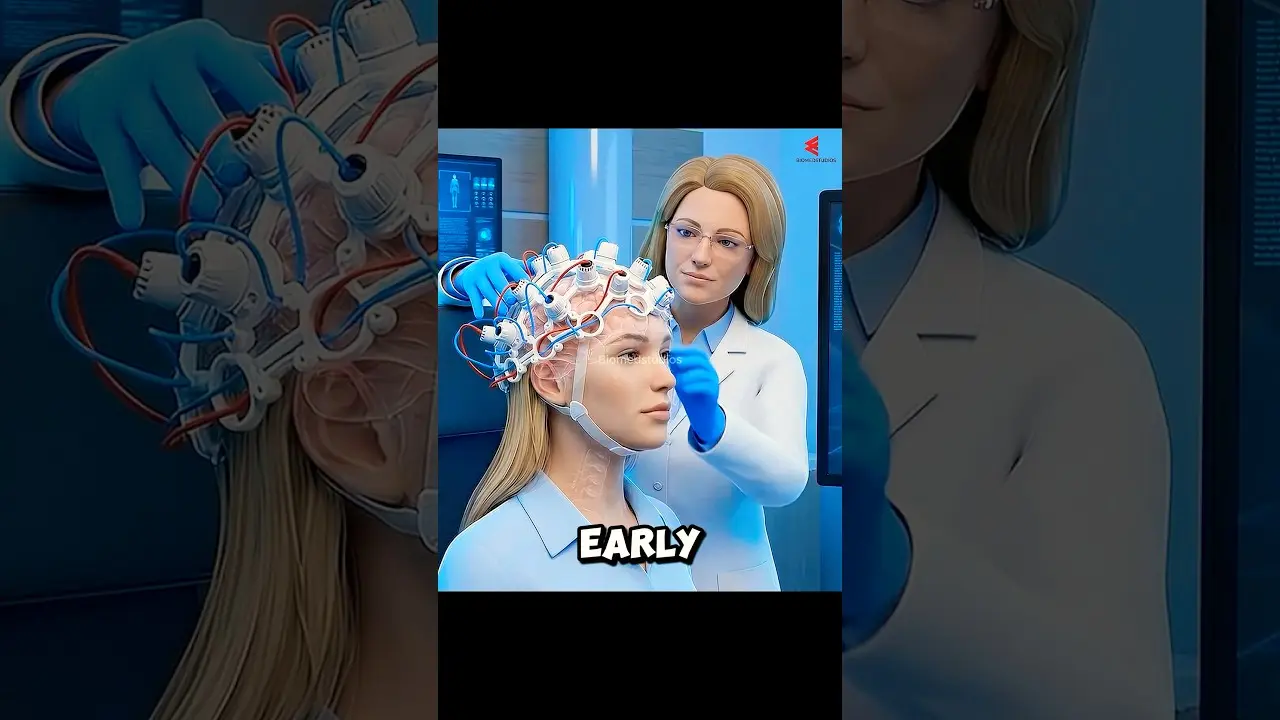 PET Scan and Alzheimer's Disease: What Imaging Shows
Learn how PET scans detect amyloid plaques and metabolic changes in the brain, their role in Alzheimer's diagnosis, and what the results mean in context.
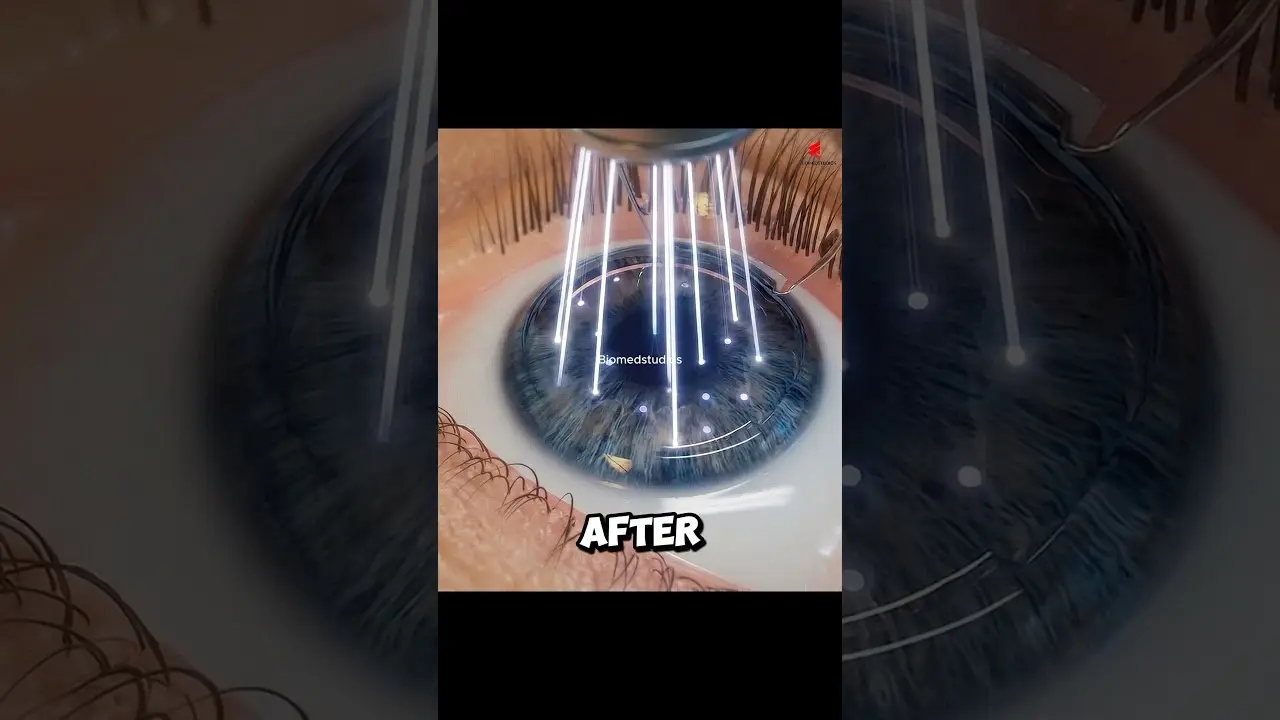 LASIK Eye Surgery: How It Works in Seconds
Watch a brief animation of LASIK surgery showing how a laser reshapes the cornea to correct vision, and learn about candidacy, risks and recovery.
 Hantavirus Cruise Ship Outbreak: What Happened
Learn about the hantavirus outbreak linked to a cruise ship, how the virus spreads from rodent exposure, and why rapid response matters in confined settings.
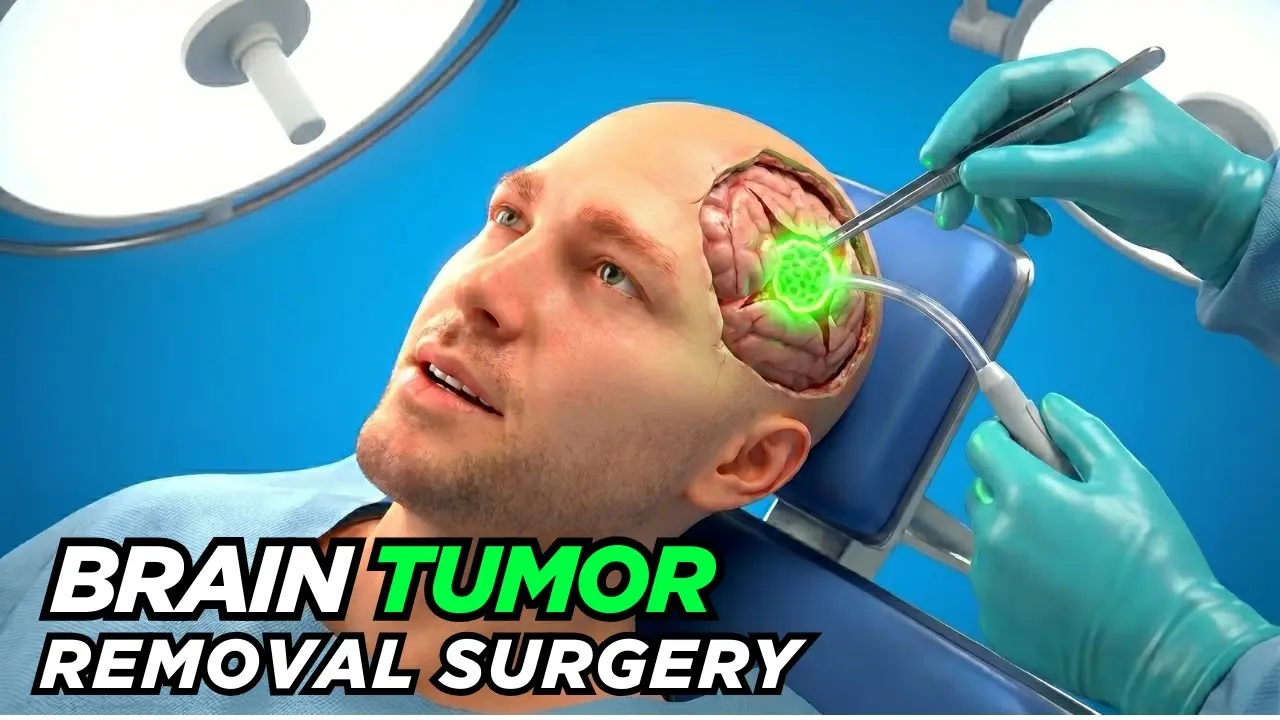 Brain Tumor Surgery: Symptoms, Treatment and Recovery
Learn about brain tumor symptoms, how surgery removes tumors, what imaging and pathology reveal, and why treatment plans depend on tumor type and location.
 What Happens During a Stroke and How Brain Clots Are Removed
Understand ischemic stroke, how brain clots block blood flow, the clot-removal procedure called thrombectomy, and why recognizing stroke signs saves lives.
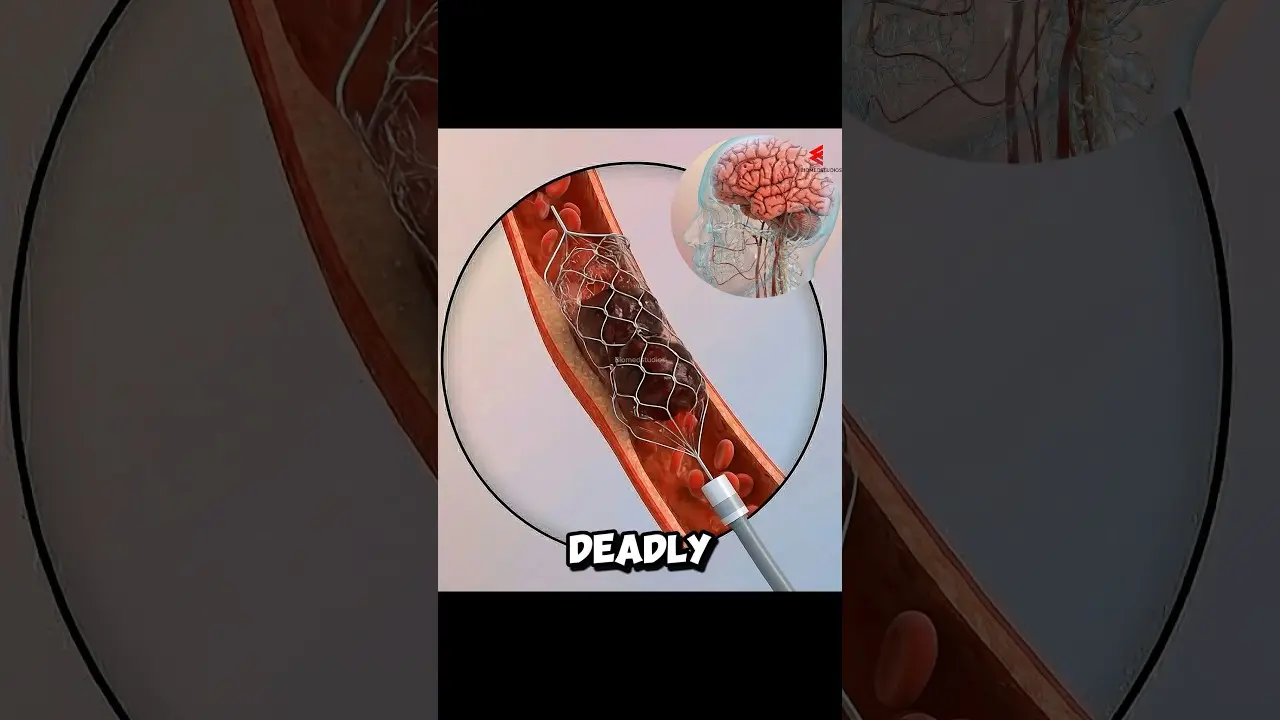 How Doctors Pull Blood Clots from the Brain
Watch a brief animation of mechanical thrombectomy, the procedure used to remove blood clots from brain arteries during a severe ischemic stroke.
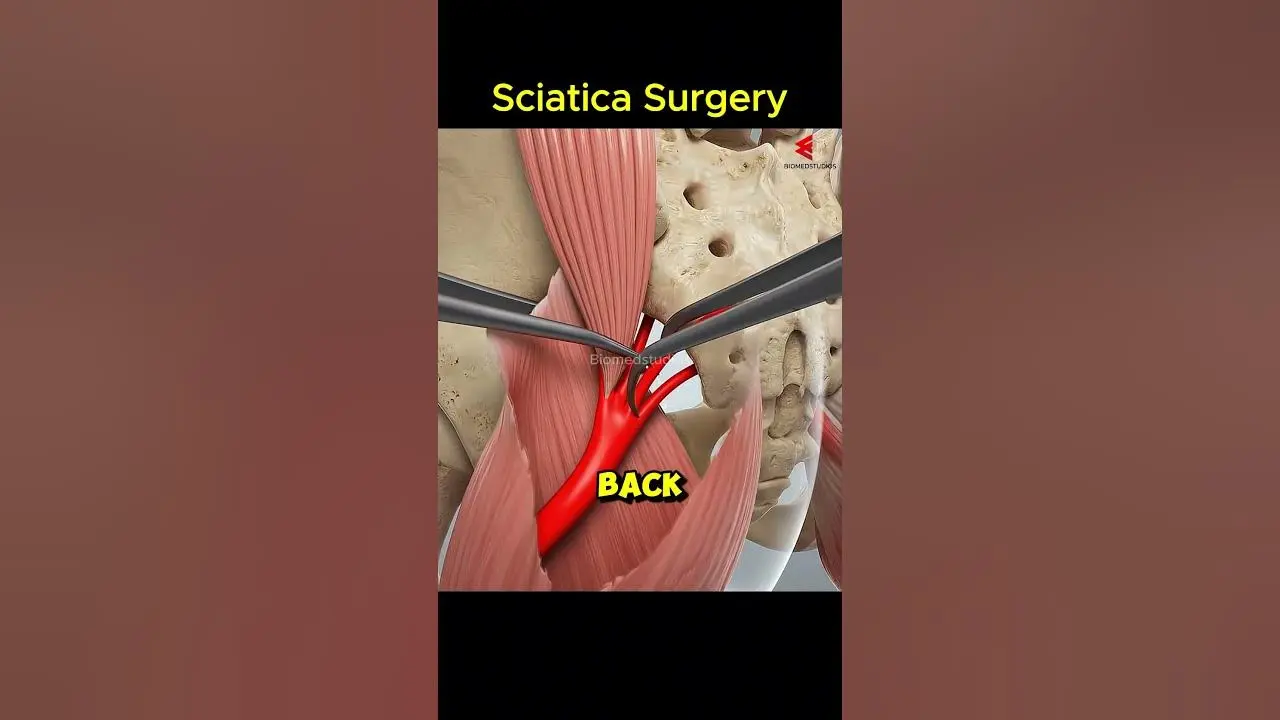 Sciatica Surgery: Microdiscectomy in Seconds
Watch a quick animation of microdiscectomy surgery for sciatica, showing how a herniated disc fragment is removed to relieve nerve compression.
 What Is Colonoscopy? A Quick 3D Animation
Watch a brief 3D animation showing how a colonoscope examines the colon, finds polyps and helps prevent colorectal cancer through screening.
 How Smoking Leads to Heart Attack: Short Animation
Watch a brief animation showing how smoking damages coronary arteries, promotes plaque formation and can trigger a heart attack.
 What Happens During and After a Colonoscopy?
Follow the colonoscopy process from bowel preparation to polyp removal, recovery and biopsy results, including symptoms that need urgent medical attention.
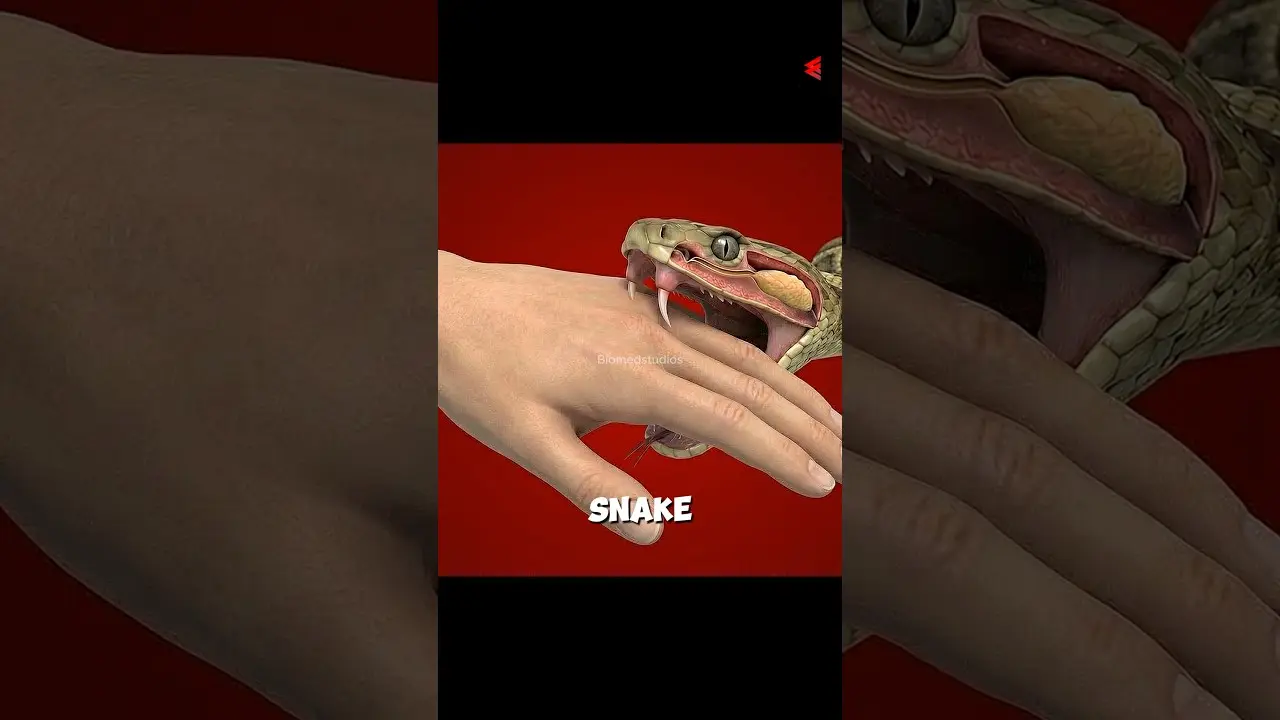 How Venom Kills You: A Quick Visual Explanation
Watch a brief animation showing how snake venom attacks blood, nerves and tissue, and learn why antivenom and prompt medical care are essential.
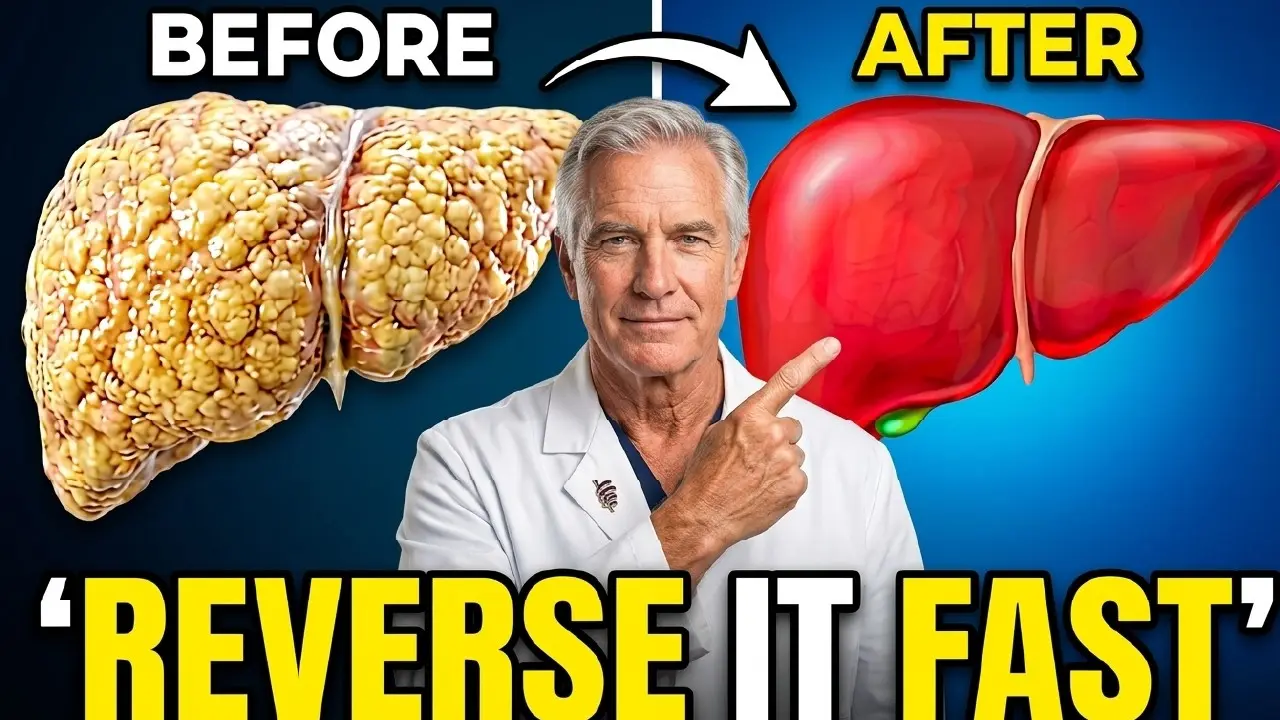 Fatty Liver Disease: Can It Be Reversed?
Learn how metabolic-associated fatty liver disease develops, why early-stage fat accumulation can be reversed with lifestyle changes, and when to seek help.
 Liver Cirrhosis and Transplant: Quick Visual Guide
Watch a brief animation of liver cirrhosis progression and transplant, understanding how scarring replaces healthy tissue and when transplant is considered.
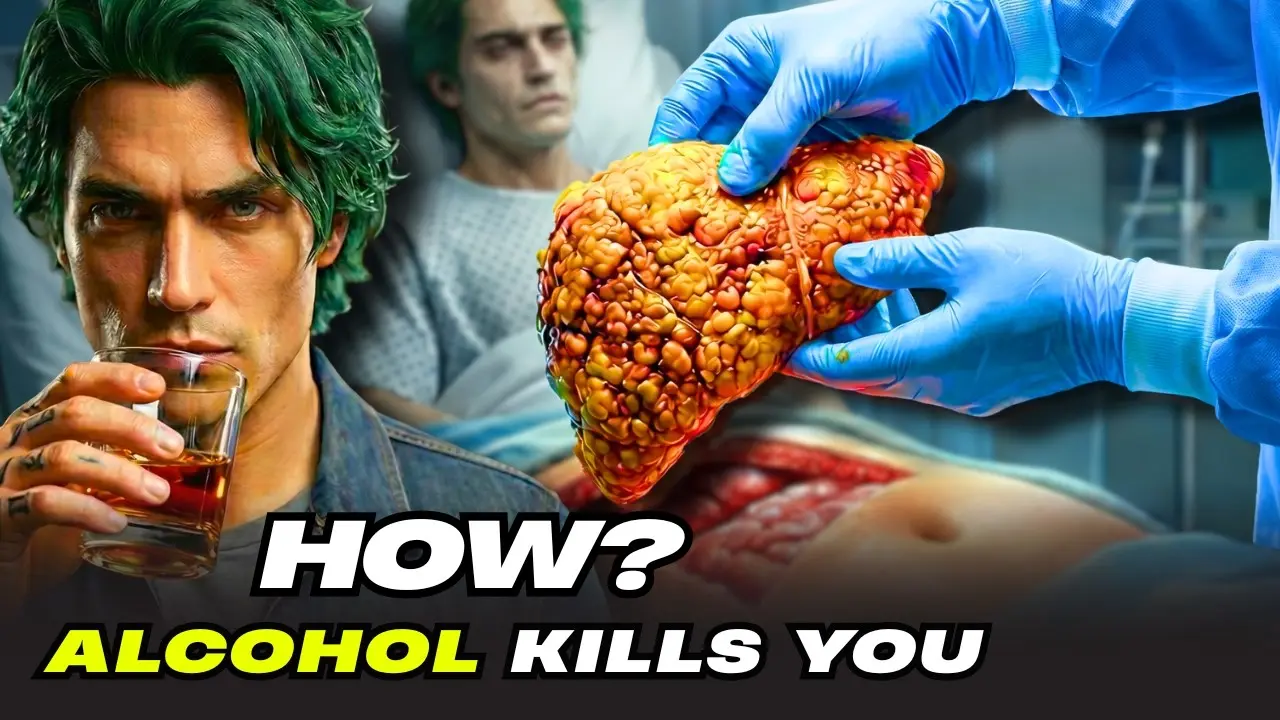 How Much Alcohol Causes Liver Cirrhosis and Transplant?
Understand how alcohol damages the liver over time, why cirrhosis thresholds vary between people, and when liver transplant becomes a consideration.
 Is 70% Artery Blockage Fatal? What the Number Really Means
Understand what a 70 percent coronary artery blockage means, why the percentage alone does not determine danger, and how treatment decisions are actually made.
 Your Arteries After Years of Smoking: Stent vs Bypass
See how smoking damages coronary arteries over years, understand the difference between stenting and bypass surgery, and learn why quitting changes the outlook.
 What Ozempic and Weight Loss Drugs Really Do to the Body
How GLP-1 receptor agonists like semaglutide work, their effects on appetite and metabolism, documented side effects, and why medical supervision matters.
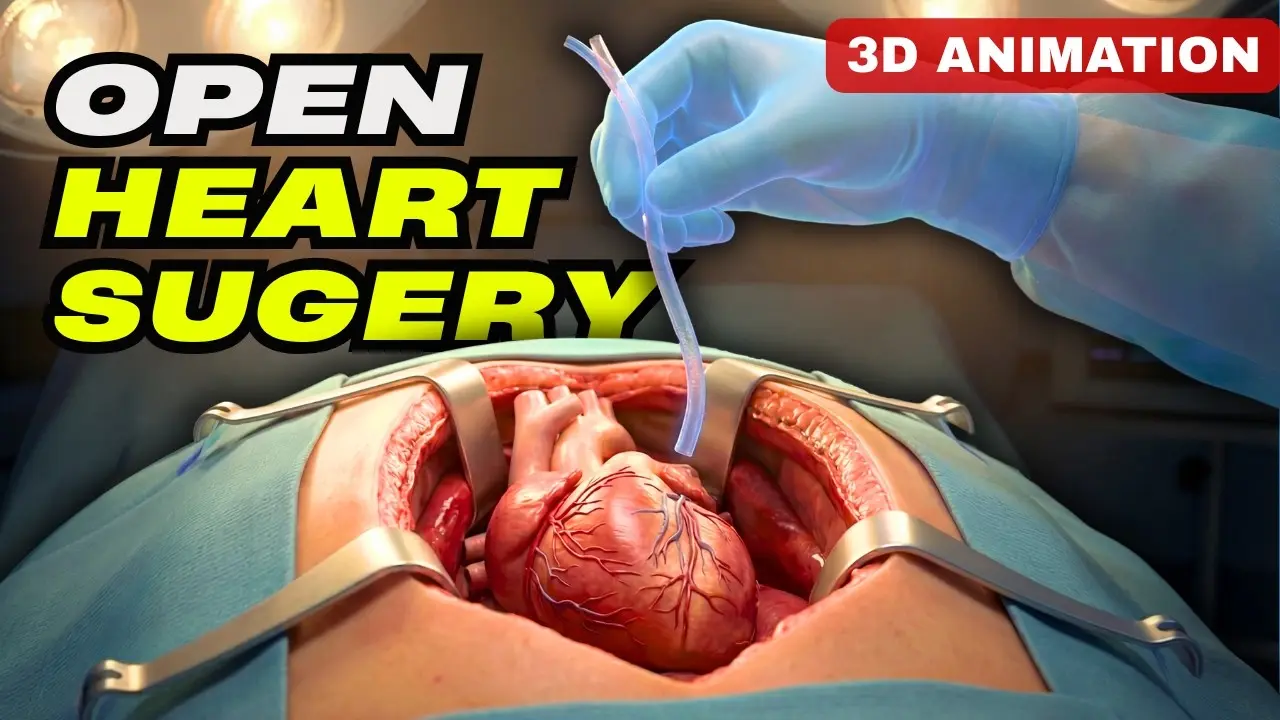 Coronary Artery Bypass Surgery: CABG Explained in 3D
Watch a 3D animation of coronary artery bypass surgery, understand when CABG is chosen over stenting, and learn about graft types and recovery expectations.
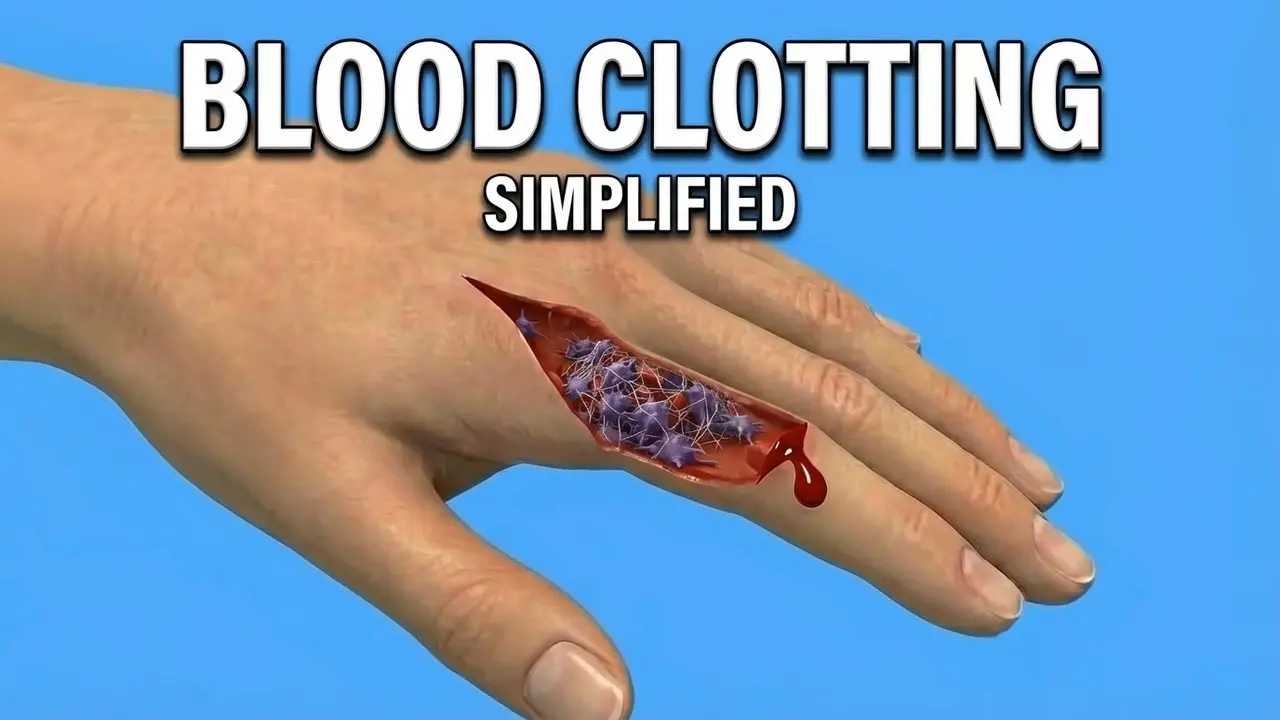 How Blood Clotting Works: Platelets, Clotting Factors and Fibrin
Follow the blood clotting process from vessel injury through platelet plug formation to the fibrin mesh, and understand why the cascade matters in medicine.
 How Snake Venom Works in Your Body
Learn how different snake venoms affect blood, nerves and tissue, why antivenom is the specific treatment, and what first aid steps actually help after a bite.
 Ear Wax Removal: Satisfying 3D Animation
Watch a brief 3D animation of ear wax removal, understand why ear wax forms, when removal is needed, and why cotton buds can cause harm.
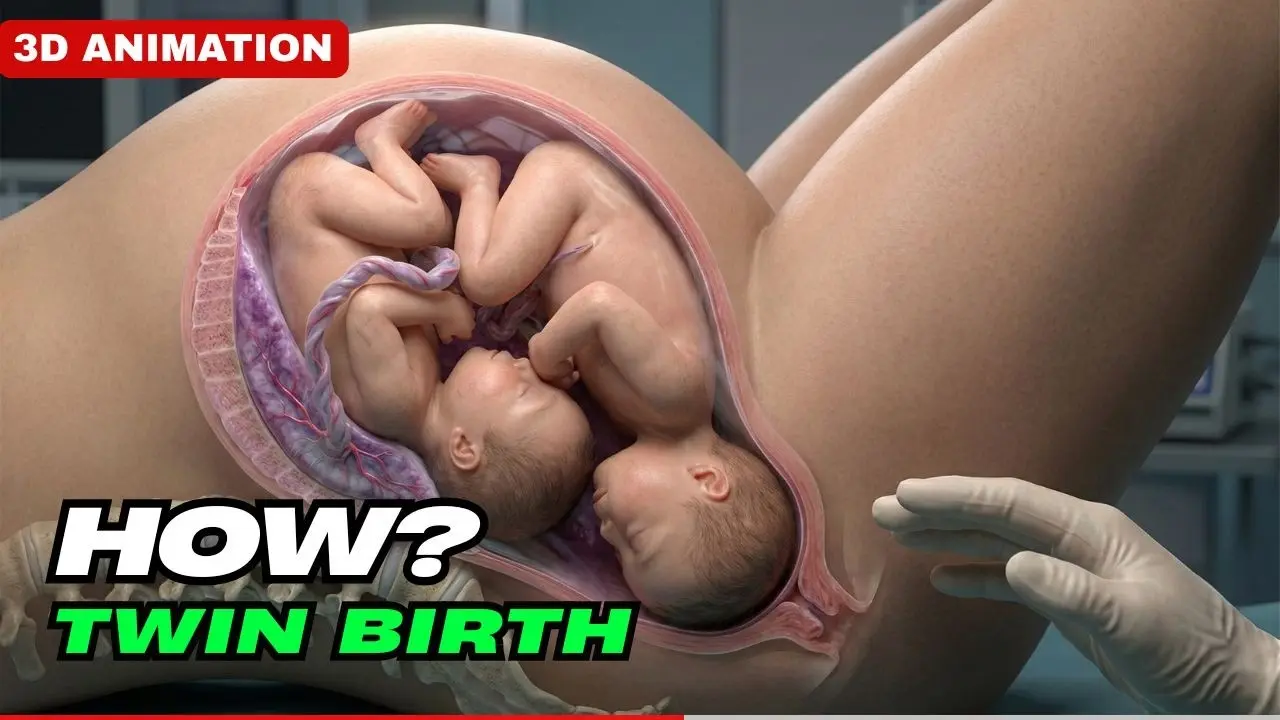 Twin Birth: Understanding Cesarean and Vaginal Delivery
Learn about twin delivery options, why presentation and monitoring matter, and what to discuss with your obstetric team about the safest birth plan.
 The Miracle of Birth: Step-by-Step Animation
Watch a brief animation of the birth process from labor through delivery, understand the stages of childbirth, and learn what the body does during each phase.
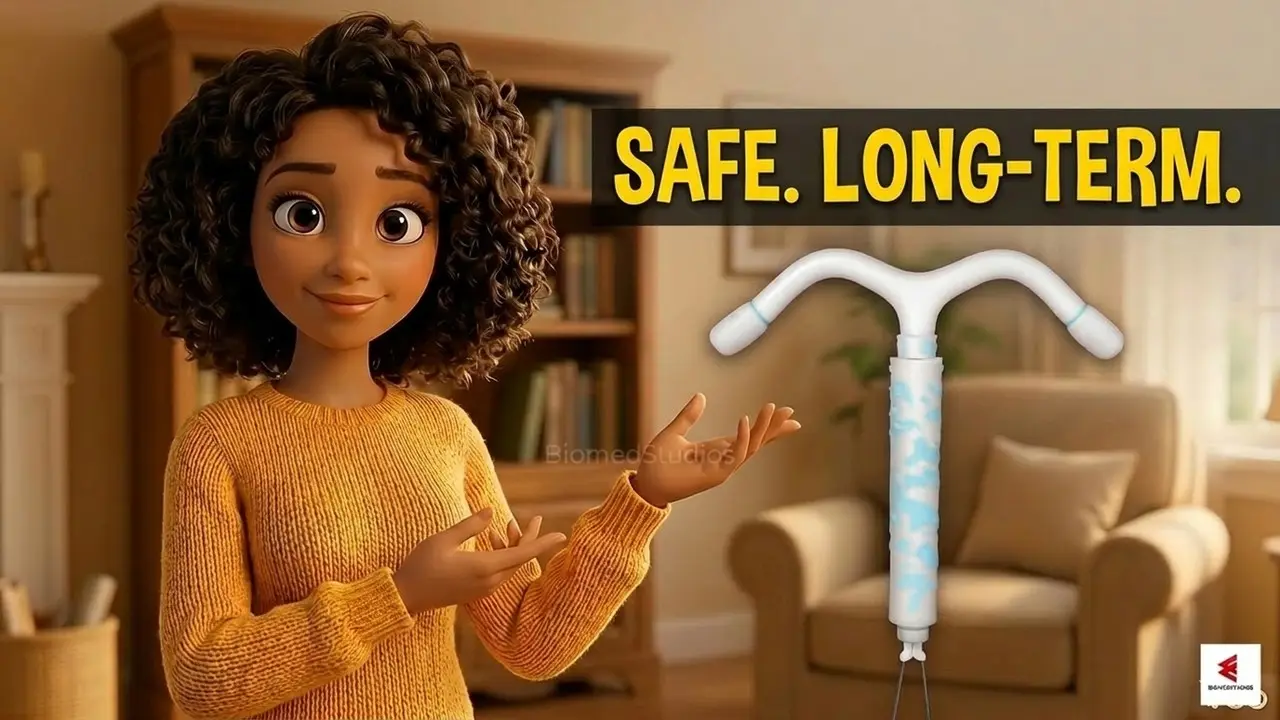 The Truth About IUDs: How Long-Term Birth Control Works
Understand how hormonal and copper IUDs prevent pregnancy, their effectiveness, common side effects, and what to discuss with a healthcare provider.
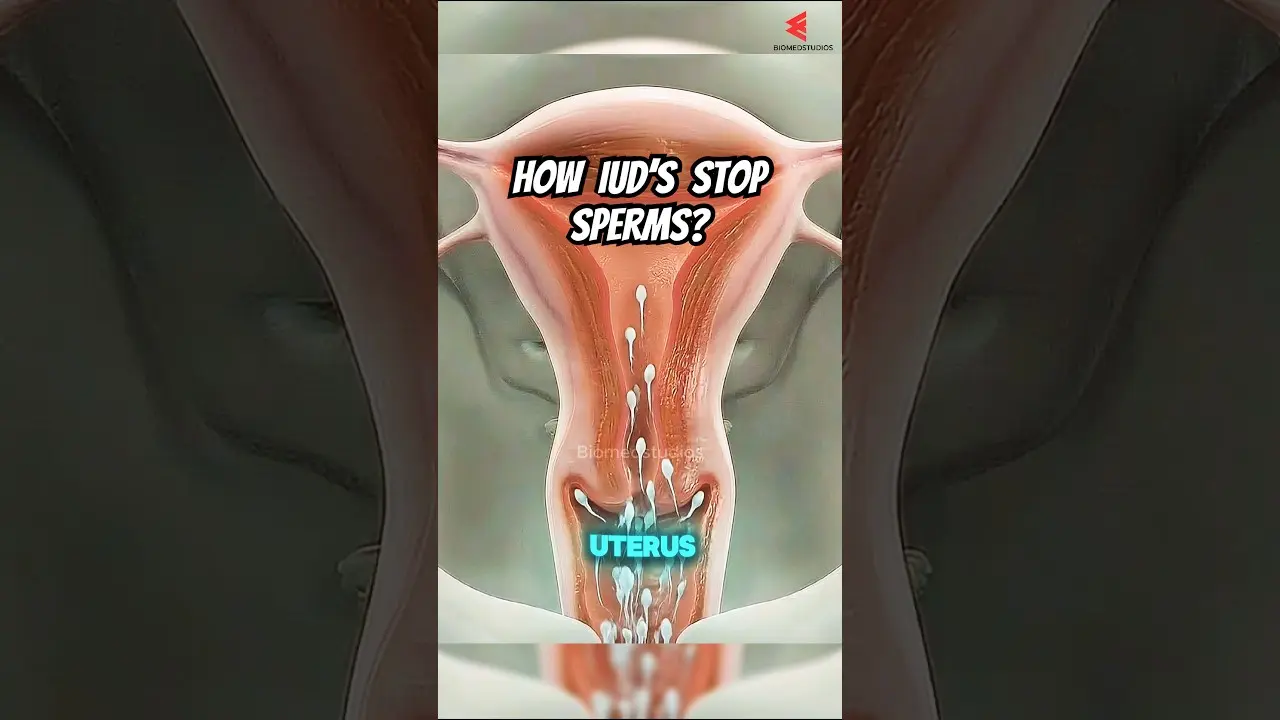 How an IUD Stops Sperm: Quick Animation
Watch a brief animation showing how intrauterine devices prevent pregnancy by creating a hostile environment for sperm and altering the uterine lining.
 Sciatica Pain: Causes, Symptoms, Diagnosis and Treatment
Understand sciatica pain from nerve root compression, common causes including disc herniation, diagnostic methods and treatment options from rest to surgery.
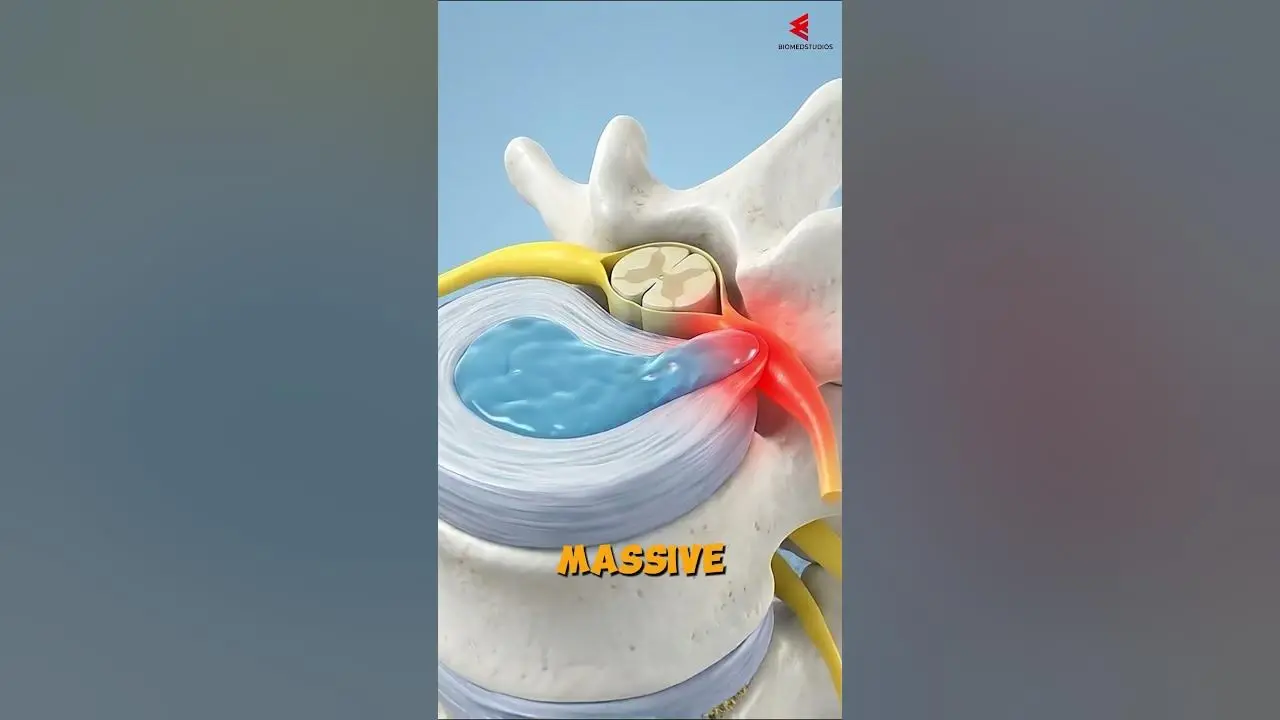 What Is Sciatica Pain? Quick Animation
Watch a brief animation showing how a herniated disc compresses the sciatic nerve, causing pain that radiates from the lower back down the leg.
 What Muscles Do Squats Work? A Visual Anatomy Guide
See which muscles squats work, how your quads and glutes move your body, and why core stability matters. Watch Biomedstudios’ quick anatomy animation.
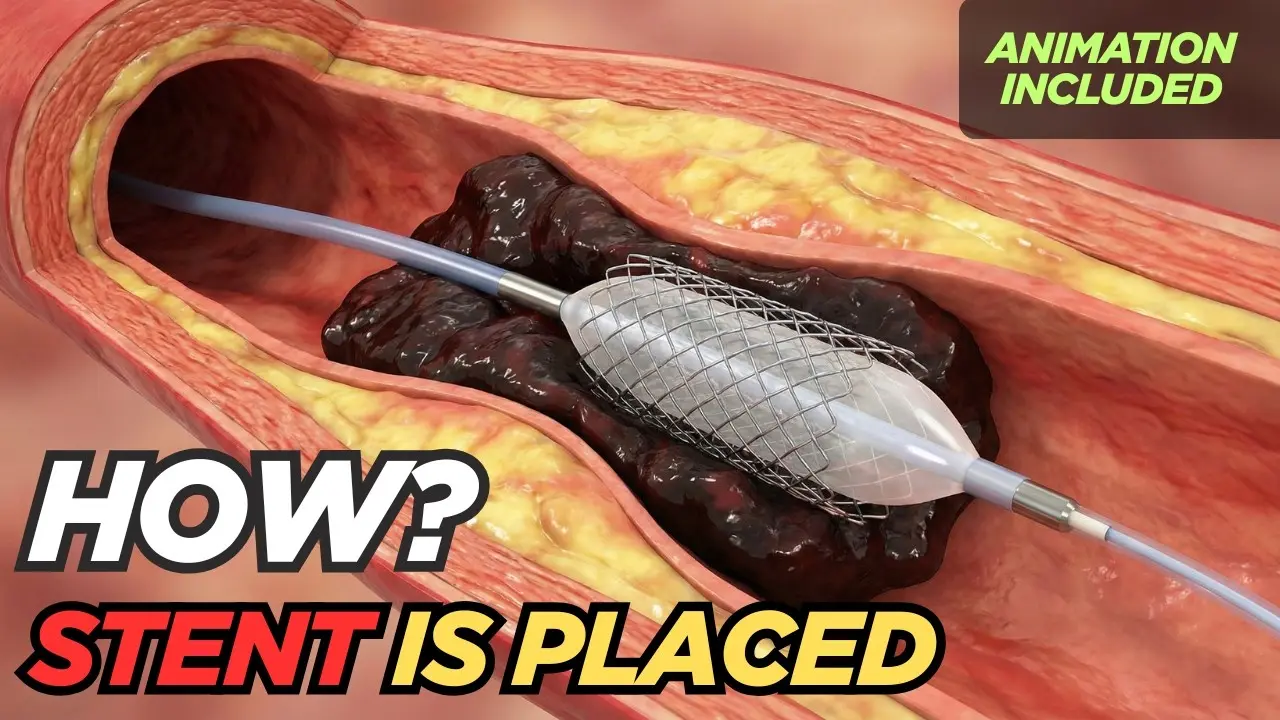 Stent Placement During a Heart Attack: Procedure Explained
Follow the emergency stent placement procedure step by step, understand catheter-based coronary intervention, and learn what recovery involves.
 Stent Insertion and Angioplasty: Short Animation
Watch a brief animation of coronary stent insertion during angioplasty, showing balloon inflation and stent deployment to restore arterial blood flow.
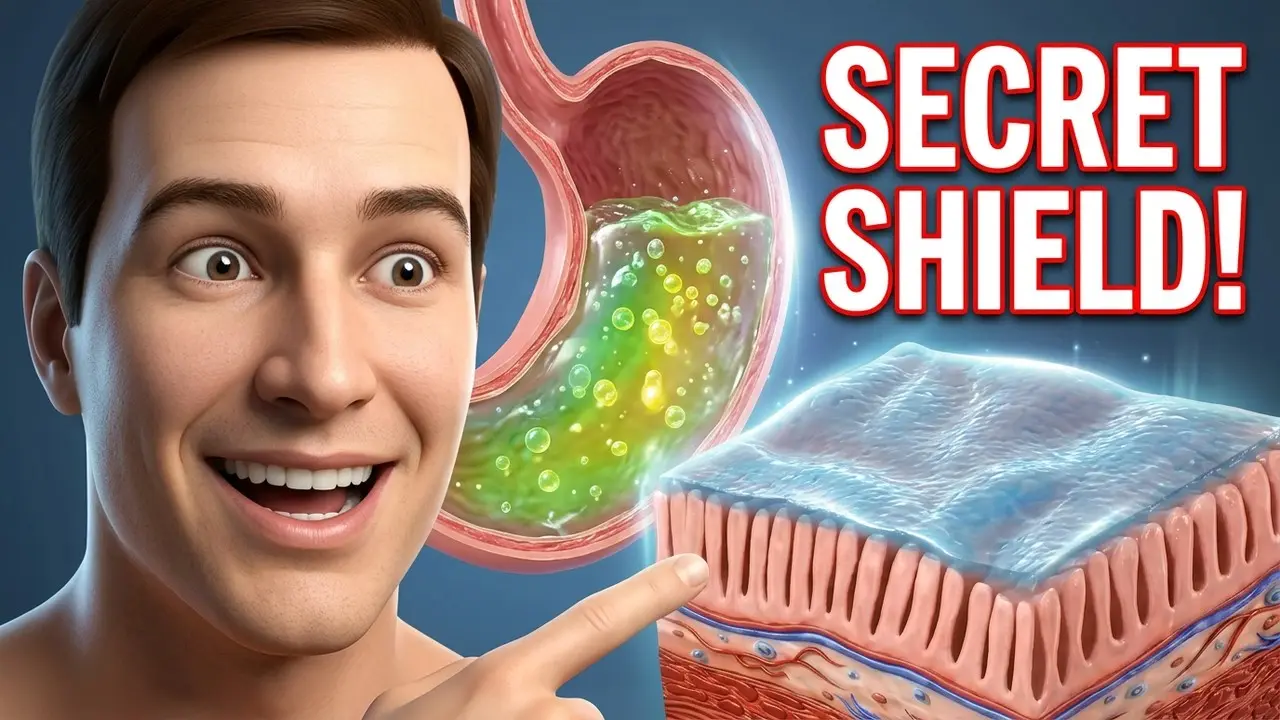 What Is Gastritis? Causes, Symptoms and Treatment
Understand what gastritis is, common causes including H. pylori and NSAIDs, typical symptoms, how it is diagnosed, and effective treatment approaches.
 What Is Gastritis? Quick Visual Explainer
Watch a brief animation showing how the stomach lining becomes inflamed in gastritis, the most common causes, and why treatment targets the underlying reason.
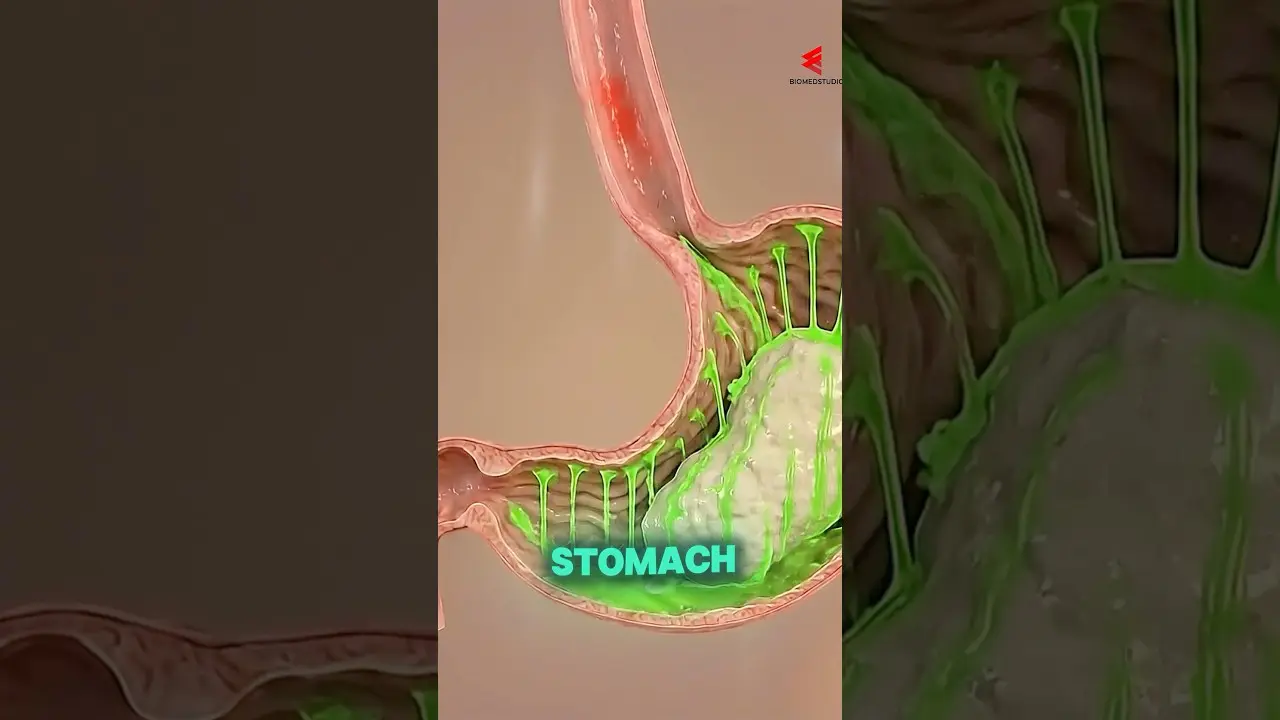 The Fate of Food: A Quick Digestive Journey
Follow food through the digestive system in a brief animation, from chewing through stomach processing to nutrient absorption in the small intestine.
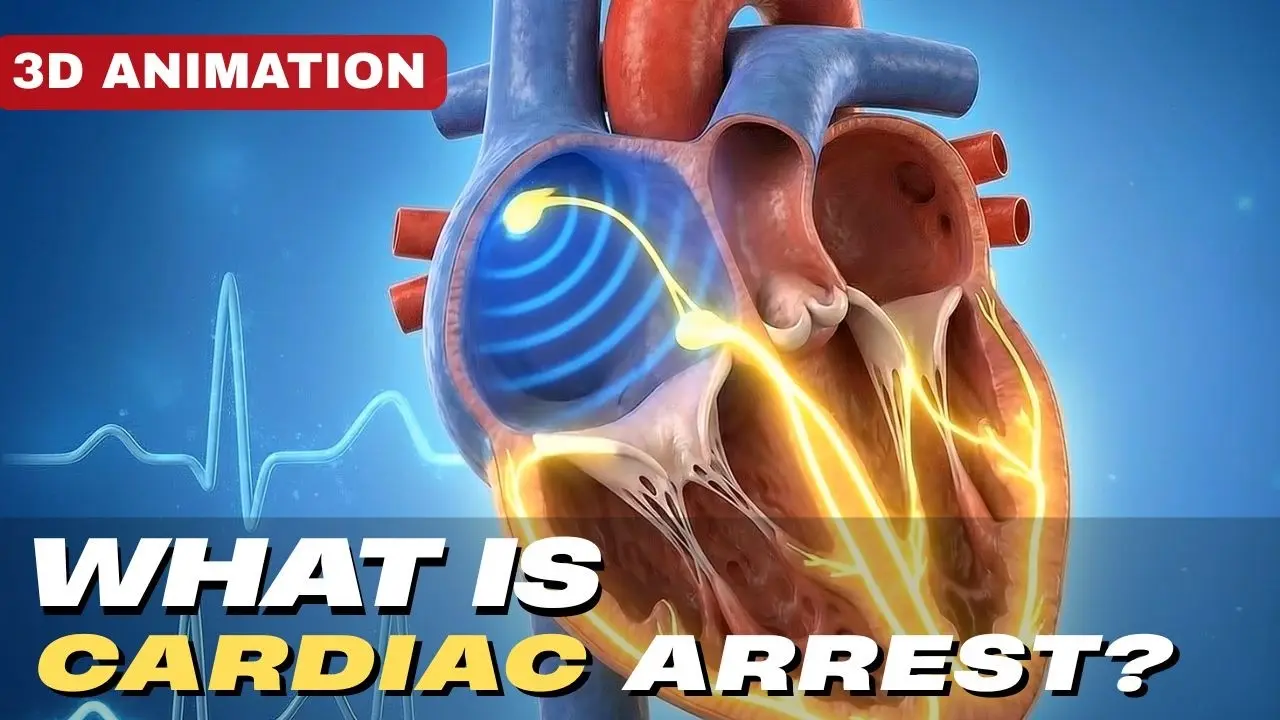 What Is Cardiac Arrest? Causes, Response and CPR
Understand what cardiac arrest is, how it differs from a heart attack, why immediate CPR and AED use are critical, and what causes the heart to stop suddenly.
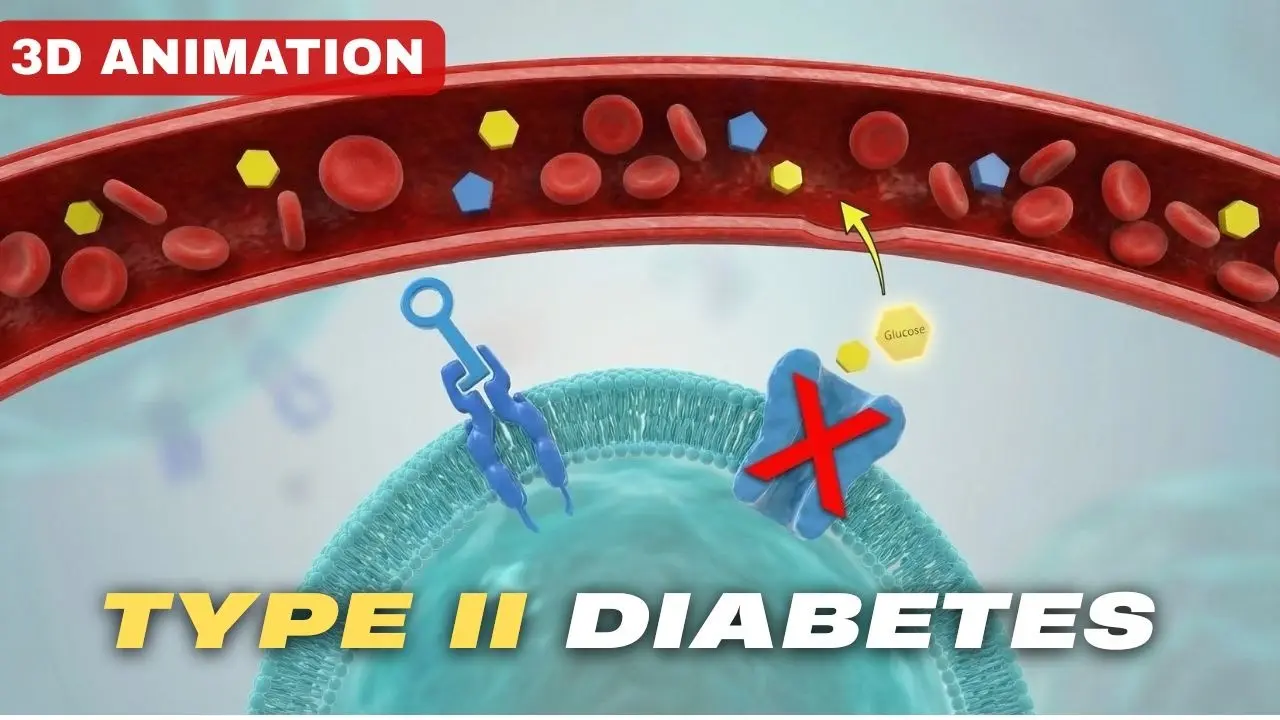 Type 2 Diabetes: How Insulin Resistance Works
Understand how insulin resistance leads to type 2 diabetes, why blood sugar rises, the role of lifestyle in management, and when medication is needed.
 How an IUD Is Placed Inside the Uterus
Watch a brief animation of IUD insertion into the uterus, understand the steps involved, and learn what to expect during and after the procedure.
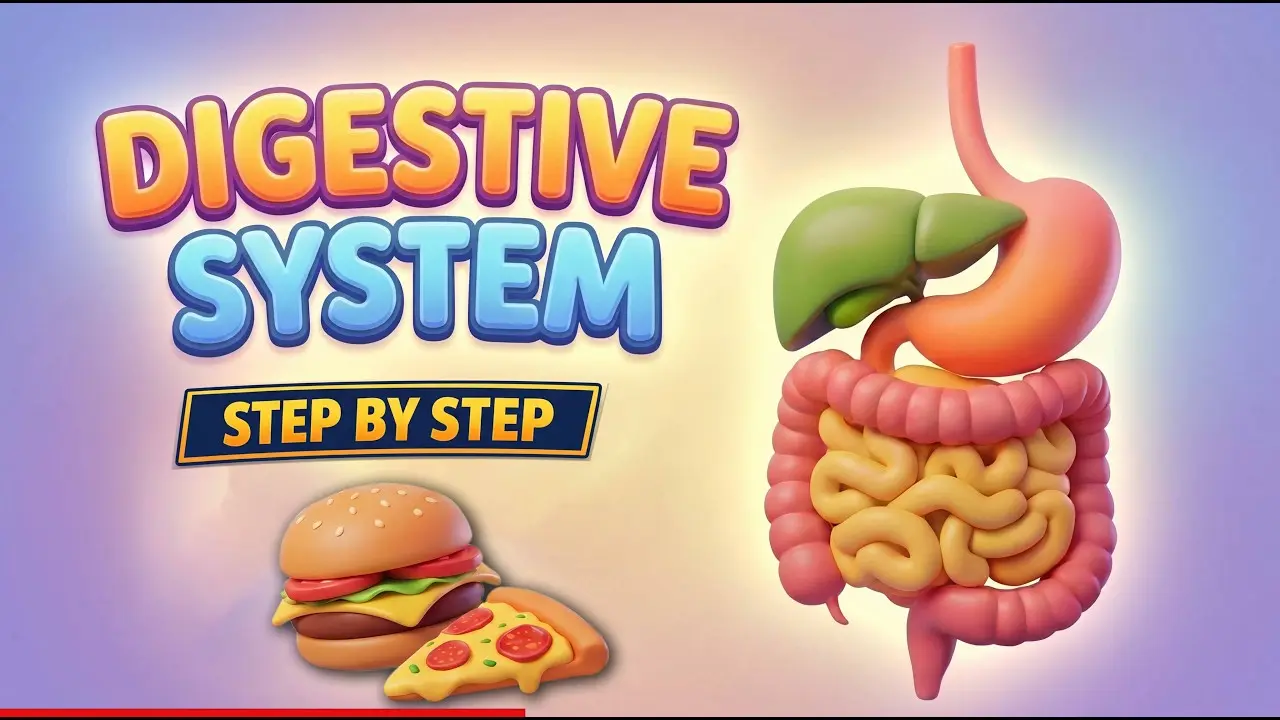 How the Digestive System Works: A Complete 3D Tour
Follow food through the entire digestive system from mouth to colon, understand each organ's role, and learn how nutrients are absorbed and waste is formed.
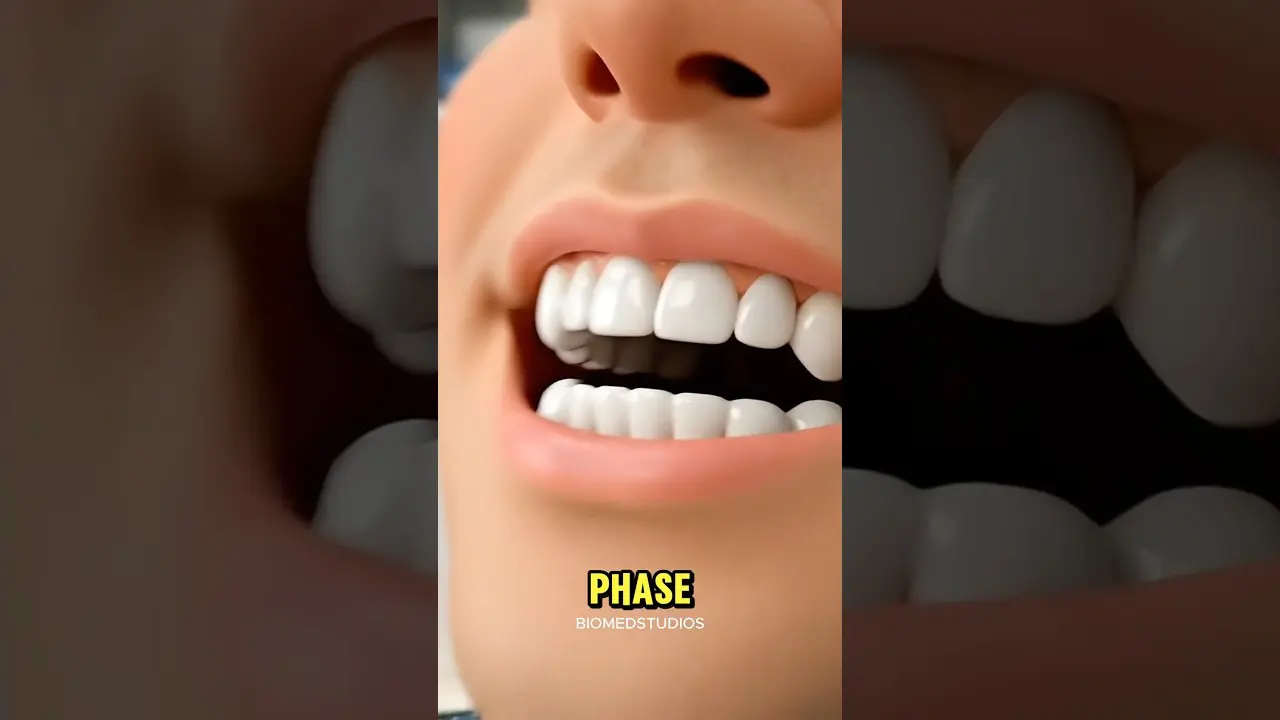 How a Dental Crown Is Placed: Quick Animation
Watch a brief animation of dental crown placement showing tooth preparation, impression taking and crown cementation to restore a damaged tooth.
 Dental Implant and Crown Procedure: What to Expect
Learn about dental implant placement, osseointegration, crown attachment, recovery expectations and when implants may or may not be suitable.
 How SSRIs Work: Mechanism of Action Explained Simply
Understand how selective serotonin reuptake inhibitors increase serotonin availability, why they take weeks to work, and what to discuss with a prescriber.
 Heart Attack Stent Placement: How Emergency PCI Works
Follow the emergency coronary stent procedure from catheter insertion to stent deployment, understand why time matters, and learn about aftercare.
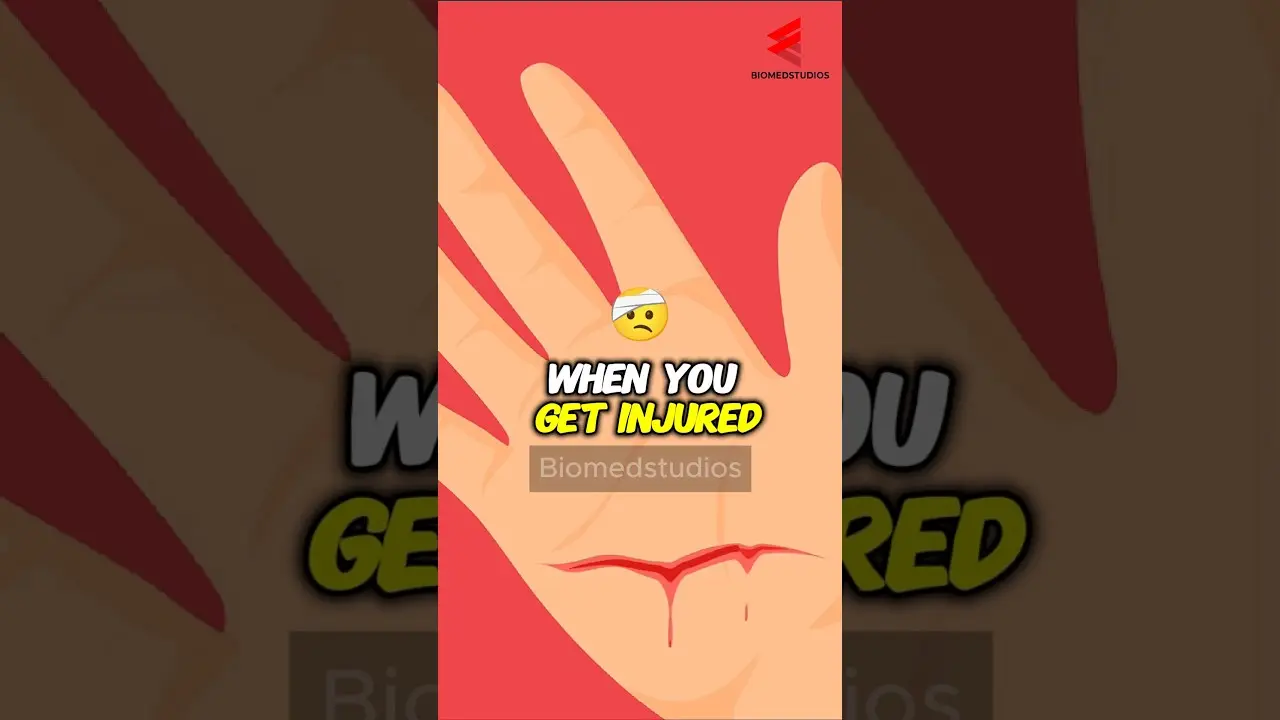 Platelet Activation and Clotting Factors: Quick Animation
Watch a brief animation of platelet activation and clotting factor interaction during hemostasis, showing how the body forms a stable clot at a wound site.
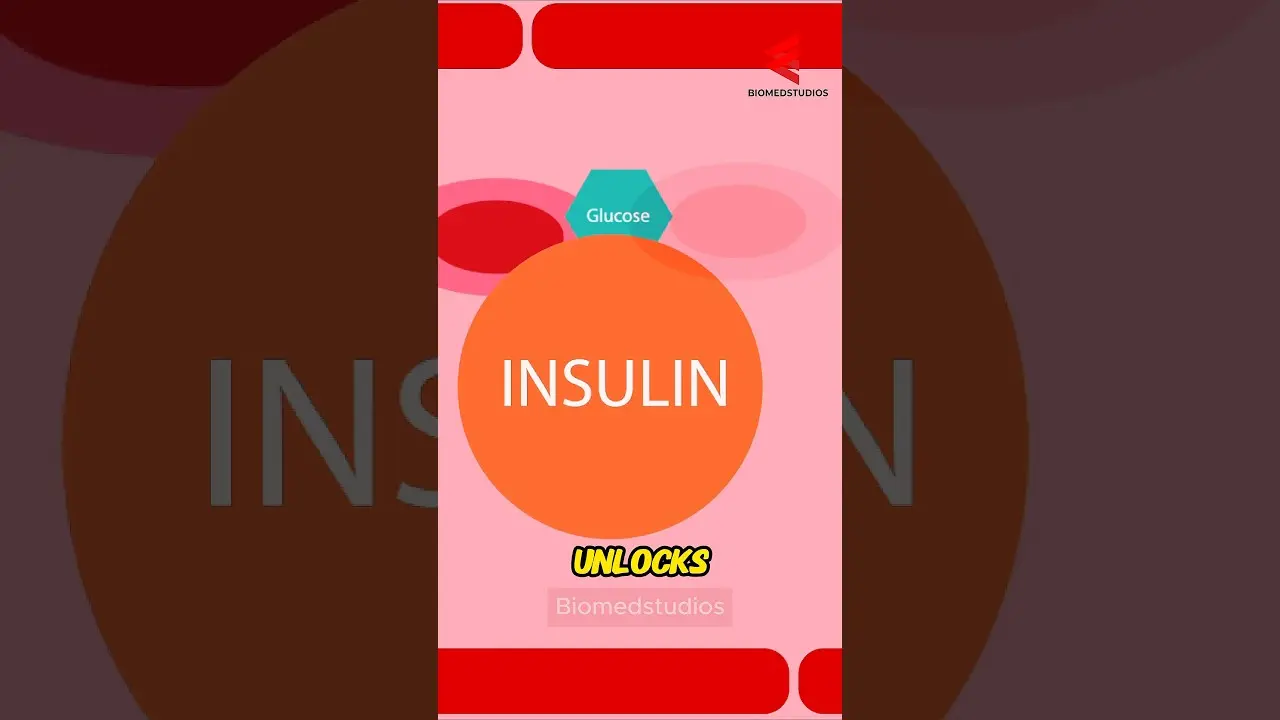 Types of Diabetes and How Insulin Works: Short Animation
A brief animation comparing type 1 and type 2 diabetes: how insulin regulates blood sugar and why each type requires different treatment.
 How Blood Clotting Works: Medical Animation
Watch a concise medical animation of the blood clotting process, from platelet activation through the coagulation cascade to stable fibrin clot formation.
 3D Medical Animation Portfolio: What to Look for in an Explainer
Explore the Biomedstudios medical animation portfolio and learn how to evaluate visual clarity, audience fit and a practical brief for your next explainer.
No article matches that search. Try another word, or choose All.
Got something hard to explain?
We turn devices, procedures and research into clear, accurate animation.
Book a free 30-minute call